Looking for kids room decor ideas that are genuinely well designed, not just cute or trendy? These 23 ideas treat a kid’s room like the rest of your home, with real attention to color, material, and layout.
A kid’s room doesn’t have to look like a toy store threw up on four walls to feel like it belongs to a kid. Some of the coolest kids rooms I’ve ever seen are the ones that were designed with the same intention as the rest of the house, just with a little more personality and a lot more durability built in.
The trick is thinking like a designer first and a parent second. Start with a real color palette instead of a licensed character. Choose materials that hold up and still look intentional. Think about scale, proportion, and how the room actually functions, not just what will look good in one photo before it gets destroyed by a four year old.
These 23 ideas approach a kid’s room the way you’d approach any other room in the house. Thoughtful. Layered. Built to last longer than a single obsession with dinosaurs or unicorns.
This post may contain affiliate links, which means I’ll receive a commission if you purchase through my link, at no extra cost to you.
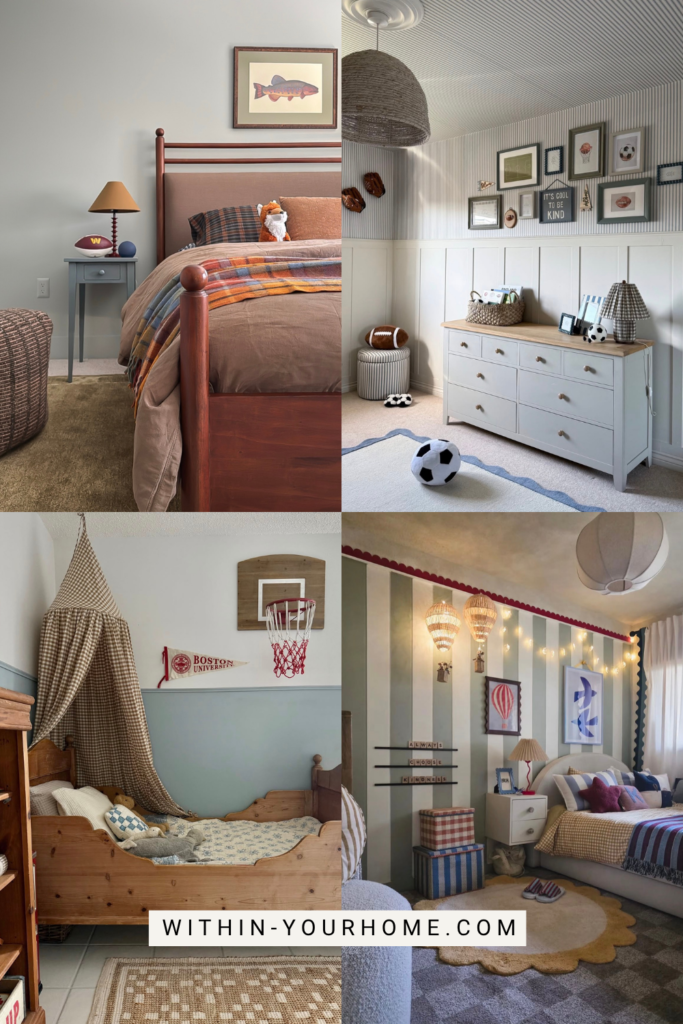
23 Well Designed Kids Bedroom Ideas
1. Start With a Real Palette
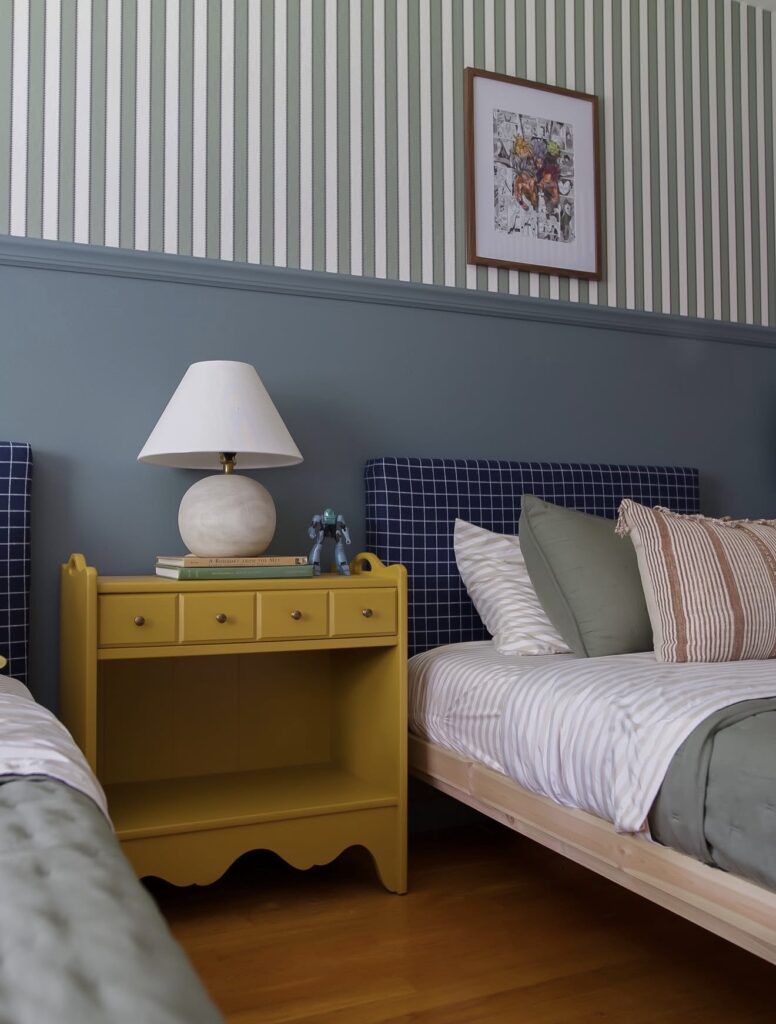
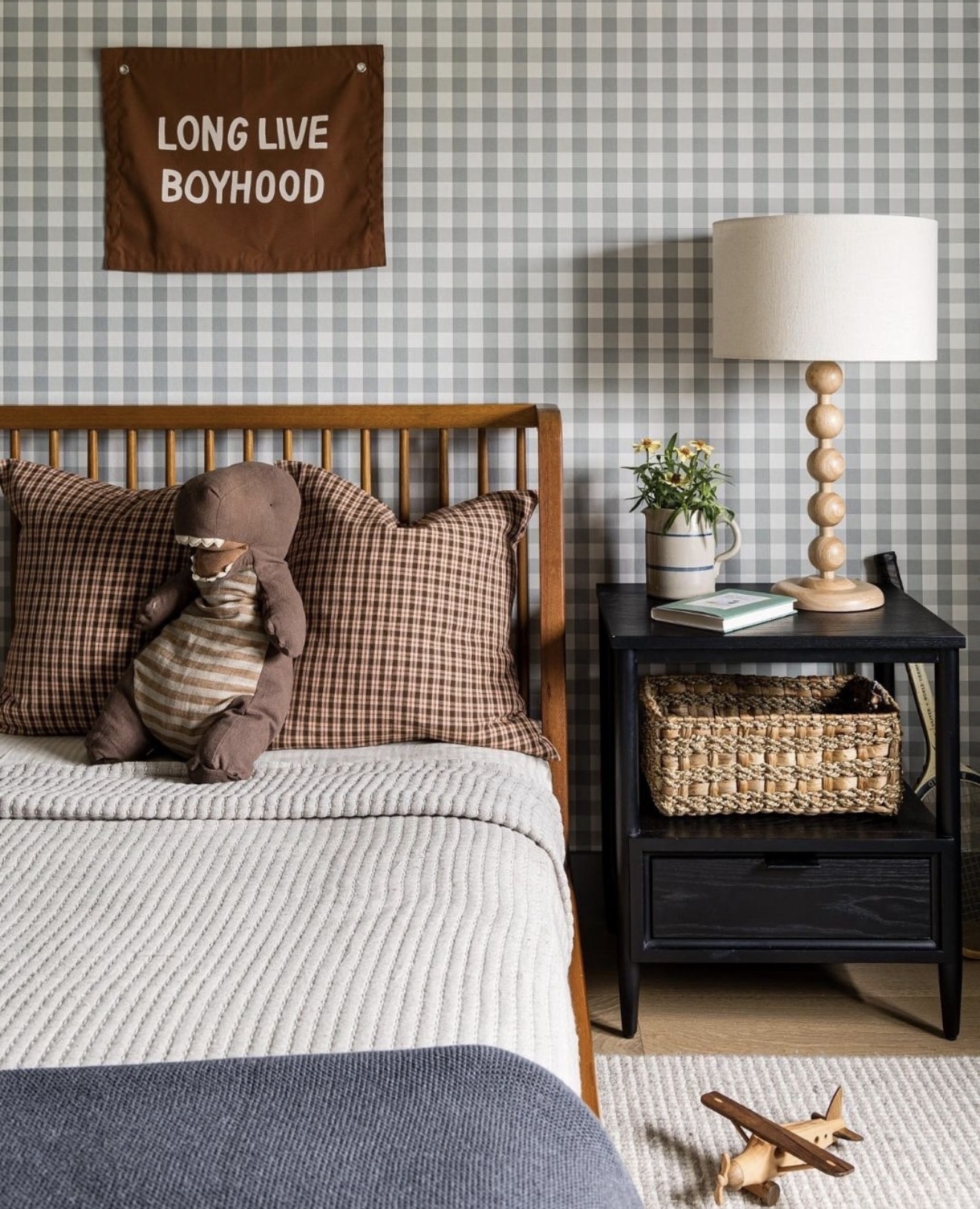
Skip primary colors. Pick two or three tones the way you would anywhere else. Terracotta, cream, sage. Dusty blue with warm wood. Consistency is what makes it read as designed instead of thrown together in an afternoon.
2. Color Block the Walls
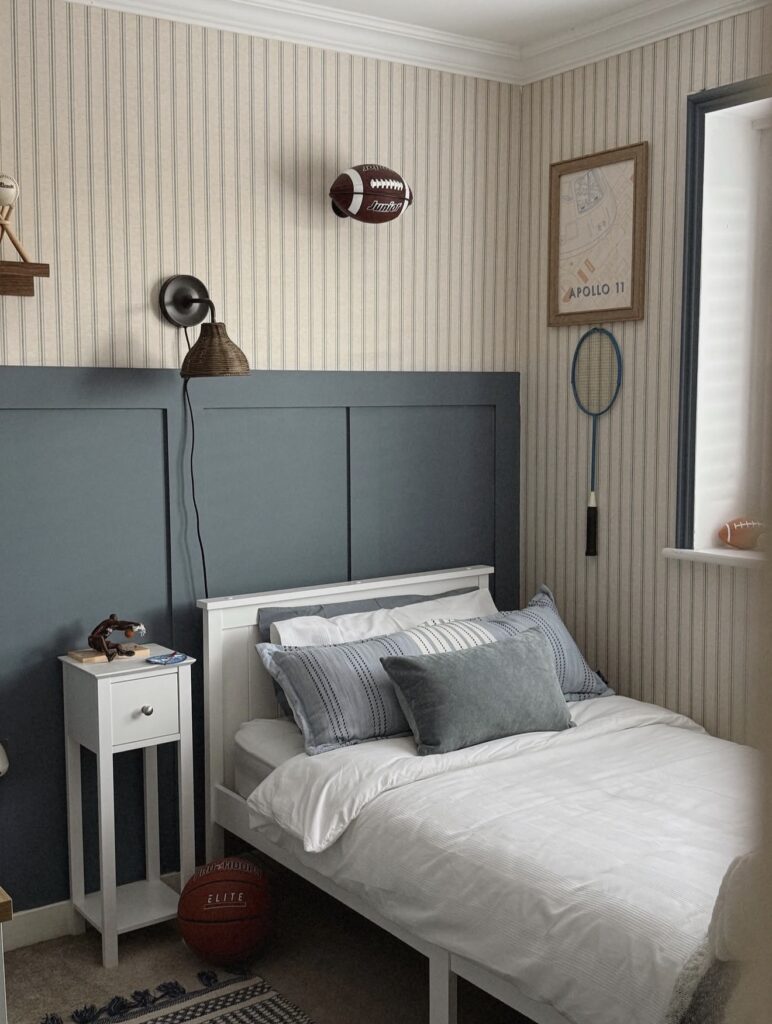
A horizontal band. A half-painted wall meeting a soft neutral. An angled color split. It’s an architectural move, not a theme, and it looks incredible.
3. Pick One Bold Color. Use It Three Times
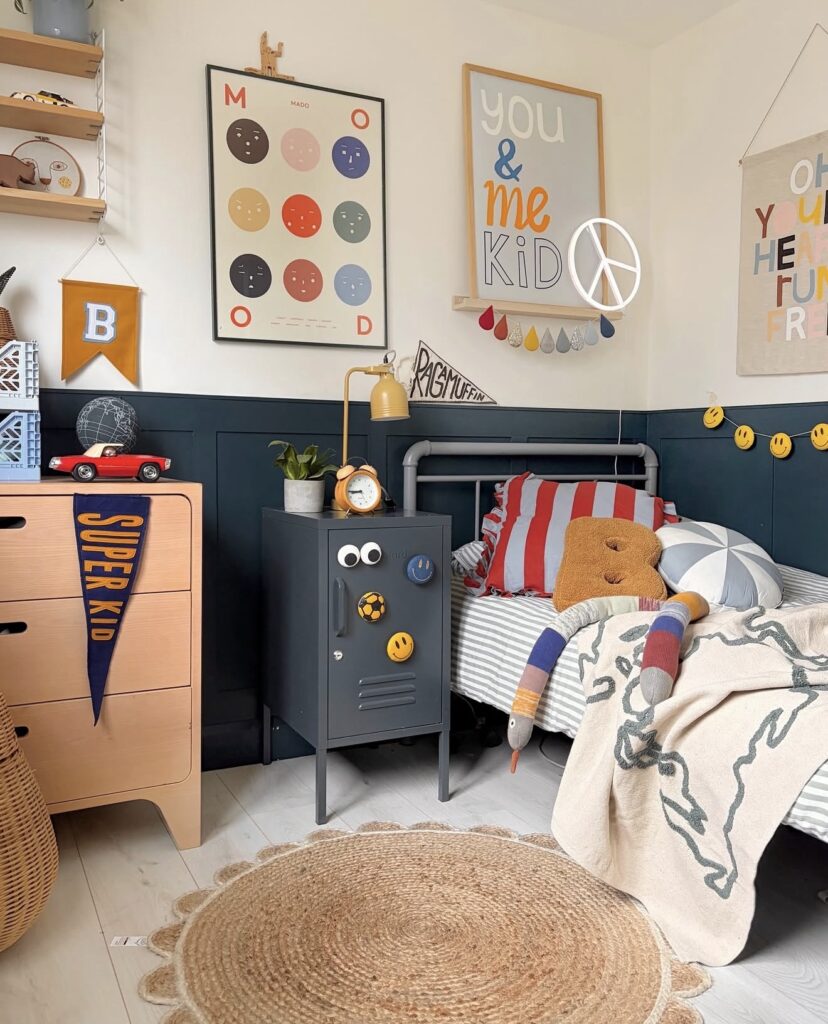
A deep rust, a rich navy, whatever feels right. Put it on a pillow, a piece of art, the curtains. Stop there. Repetition is the trick. Overuse ruins it.
4. Warm Neutrals Do the Heavy Lifting
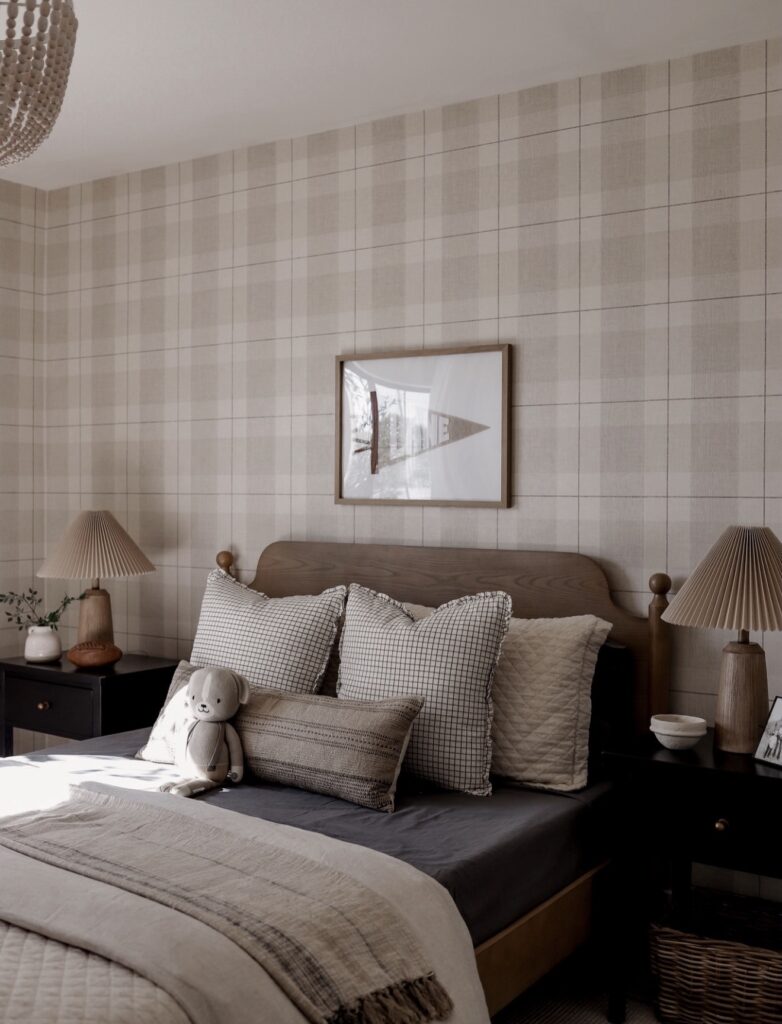
Cream, oat, sandy beige as the base. Everything bold gets layered in through accessories you can swap without repainting a thing.
5. The Bed Is Furniture, Not Just a Bed
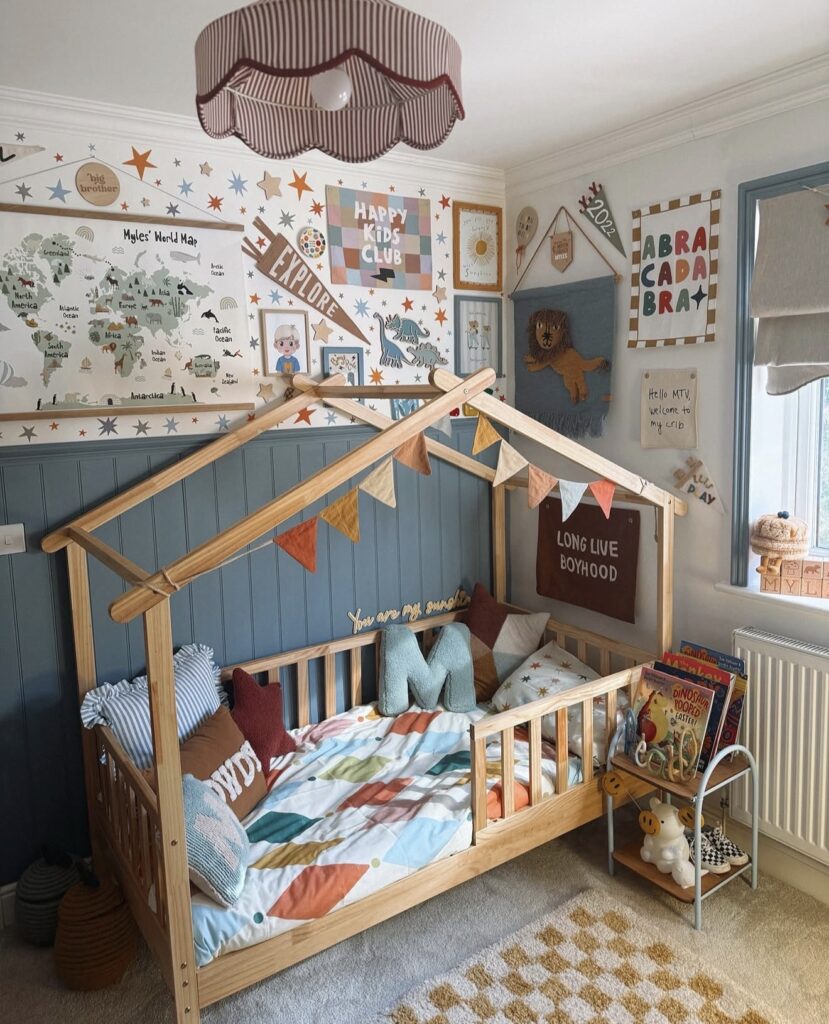
A canopy frame. A platform bed with built-in shelving. Something positioned to actually create a nook. Give it the same thought you’d give a sofa.
6. Zone the Room Intentionally
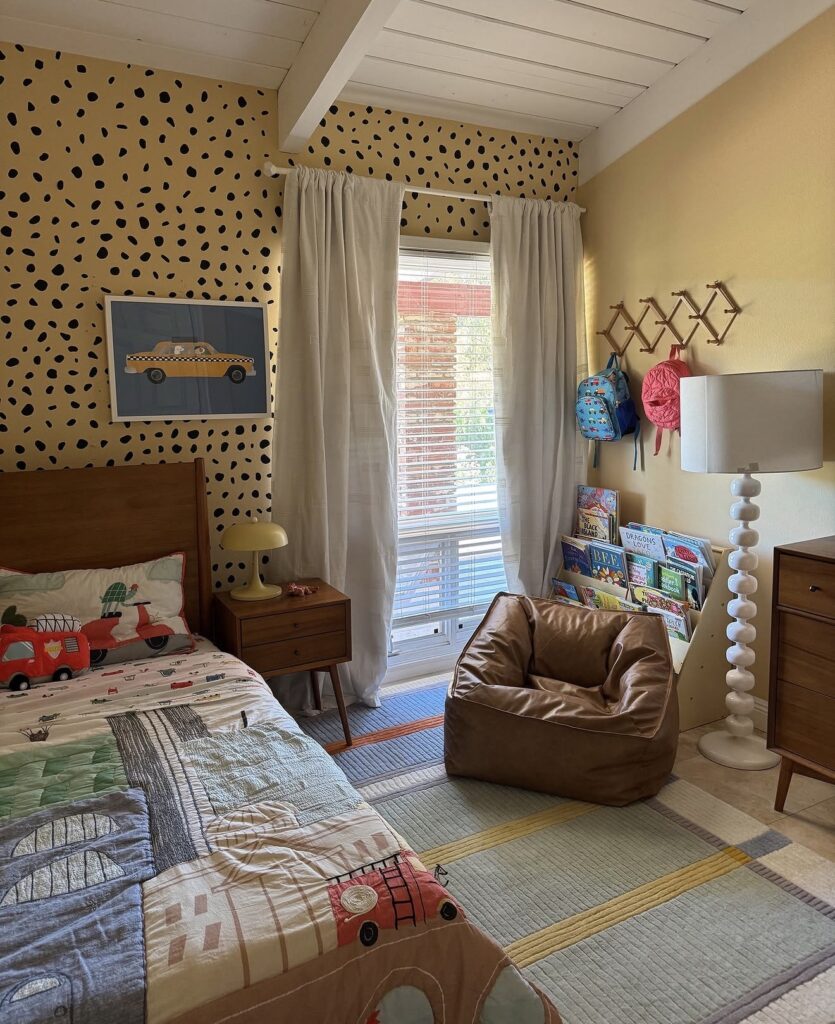
Sleep here. Play here. Read here. A rug change or a wall color shift marks the line. Good design organizes space with purpose, even in a tiny room.
7. Buy Furniture That Would Work Anywhere Else
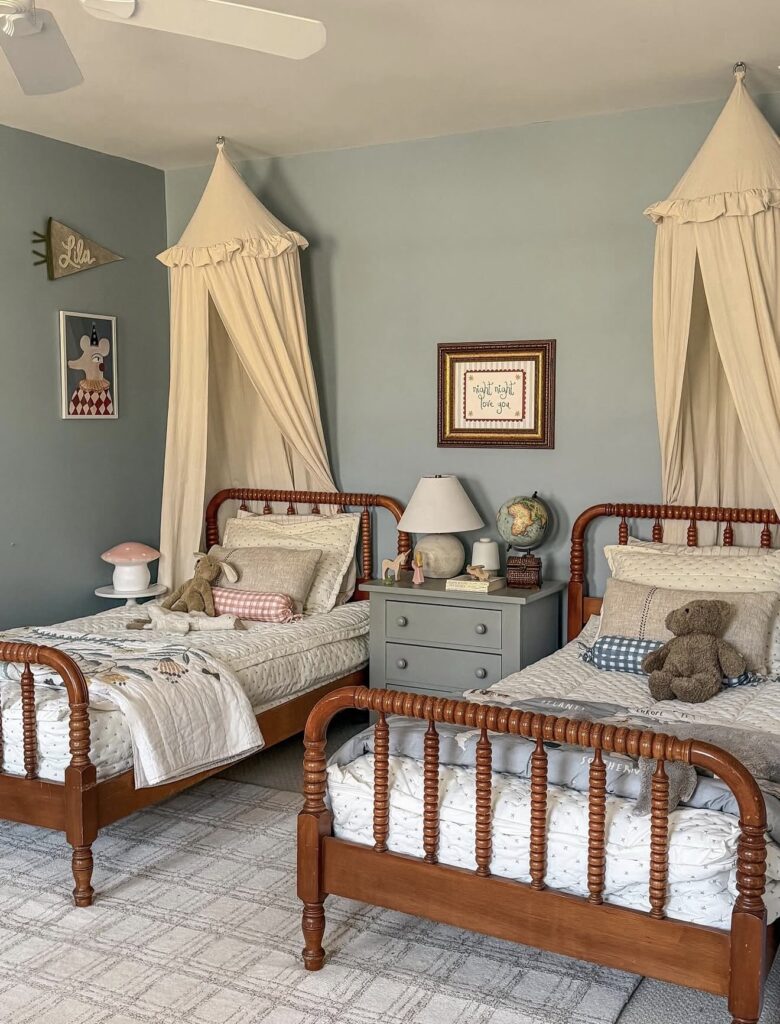
A rattan chair. A sculptural lamp. A vintage bed frame. Kids furniture doesn’t need a kid look. This is what makes a room age well instead of needing a total redo in two years.
8. Get the Scale Right
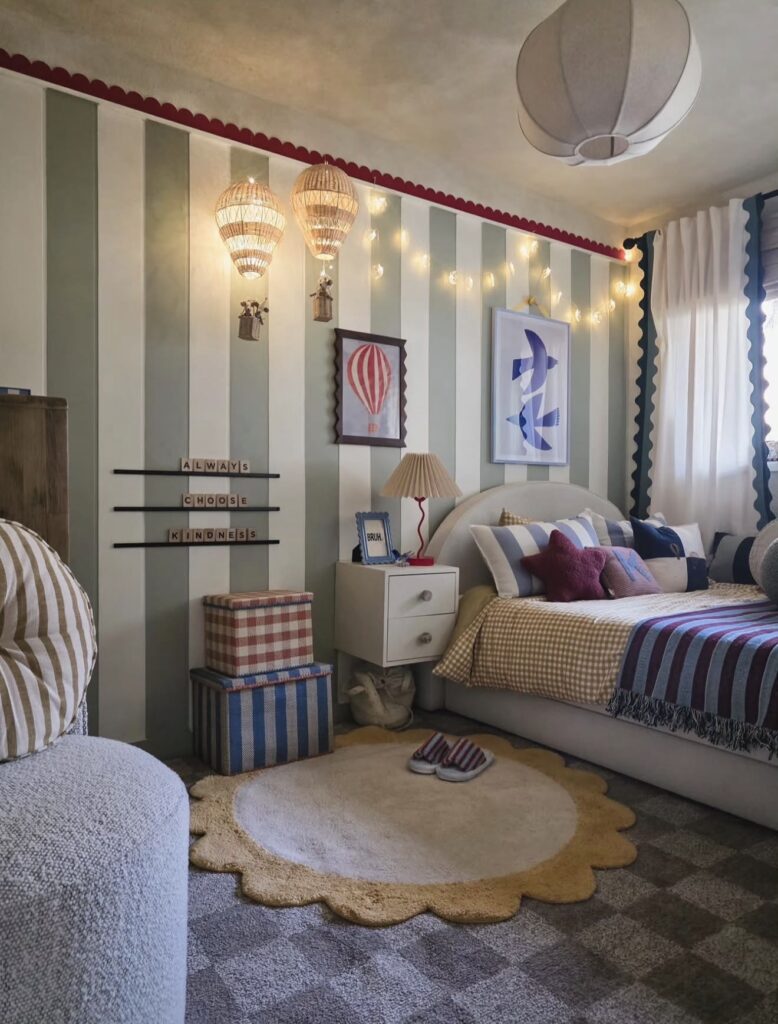
A rug that’s actually big enough. Art hung at a normal height. Furniture that fits the room instead of overwhelming or disappearing into it. This is the detail everyone skips and it matters more than almost anything else on this list.
9. Layer Your Textures
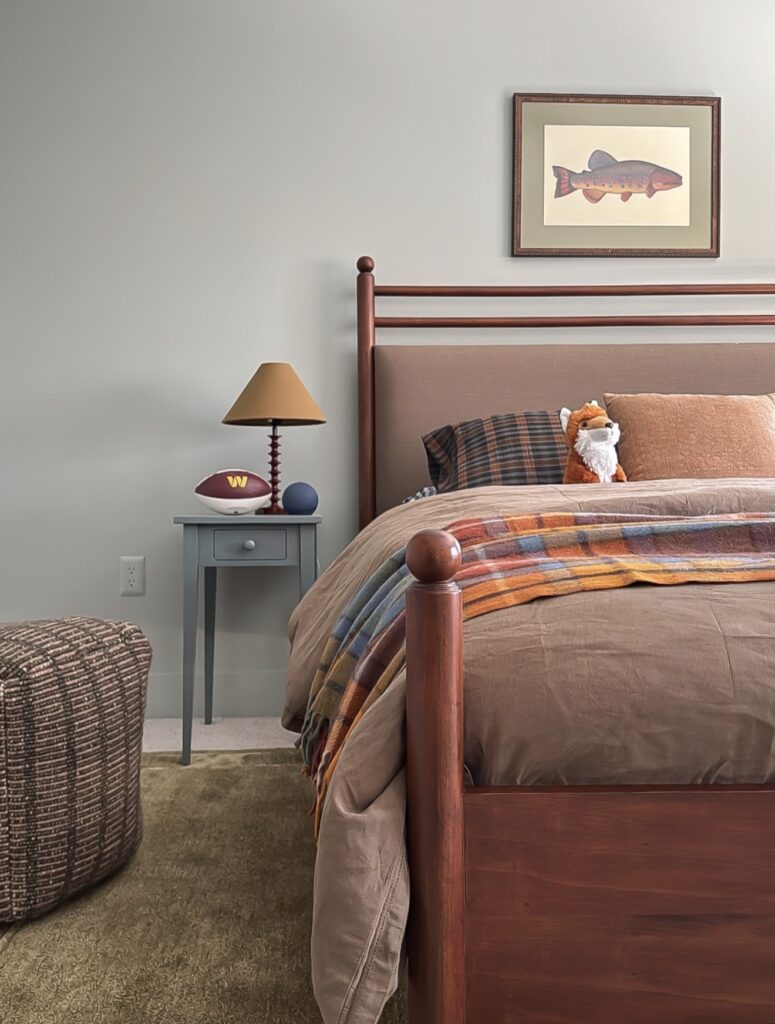
A wool rug, a linen curtain, a boucle pillow, a wood side table. Mixing textures is what makes a space feel finished and considered rather than assembled from a single catalog page.
10. Durable Doesn’t Mean Ugly
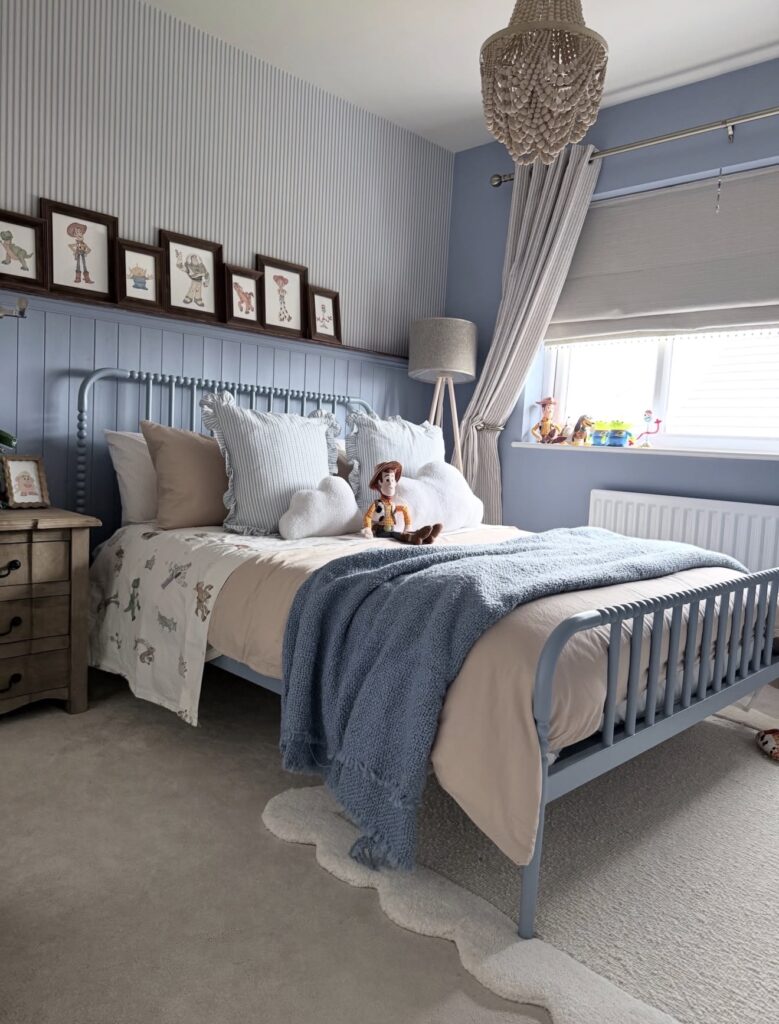
Performance fabrics that resist stains, washable rugs, sealed wood finishes. Good design for a kid’s room means finding materials that function under real conditions without sacrificing how the room actually looks.
11. Bring In Natural Materials
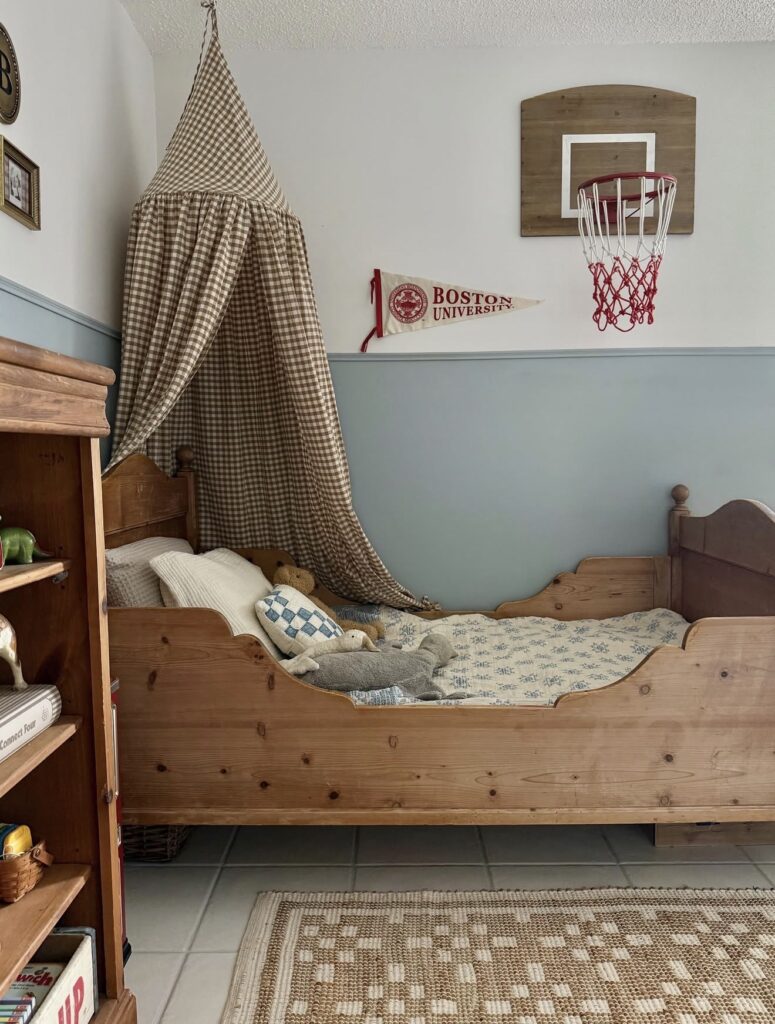
Rattan, wood, linen, wool. These materials read as elevated and timeless in a way that plastic and synthetic fabrics never will. A rattan headboard or a wood toy shelf brings warmth and texture that plays well with an adult design sensibility.
12. Wallpaper as Architecture
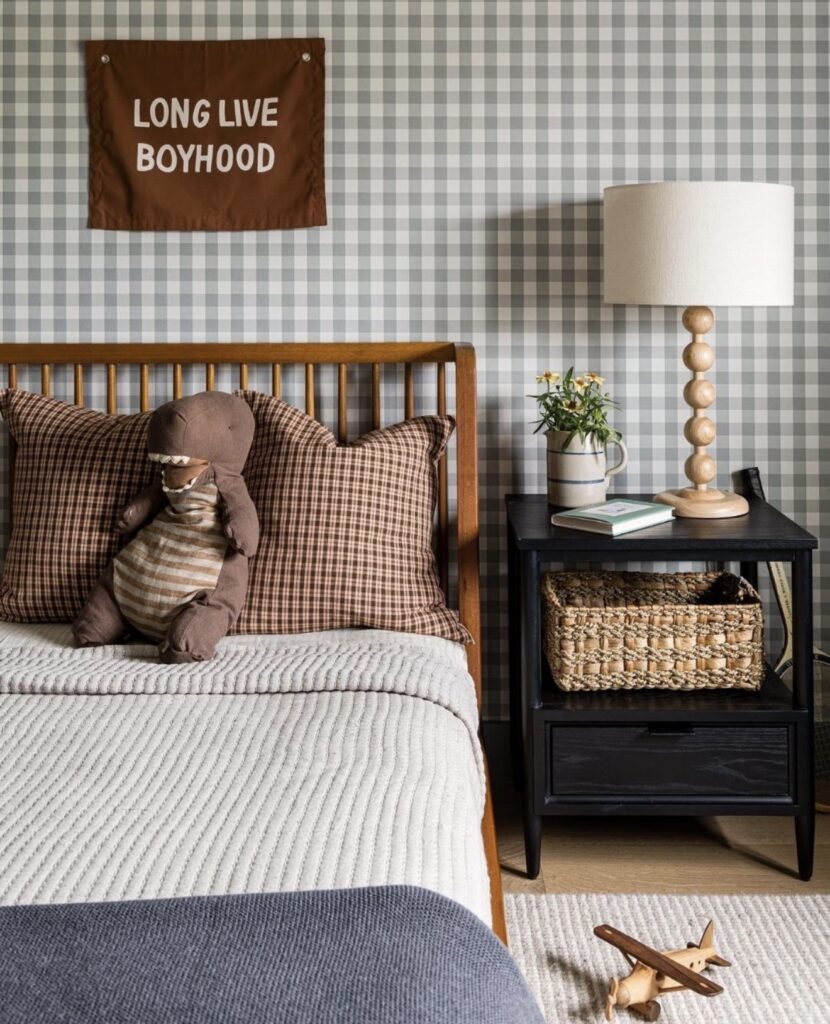
Something chosen for how it looks, not what character is on it. It lasts through every phase your kid goes through.
13. Layer Your Light Sources
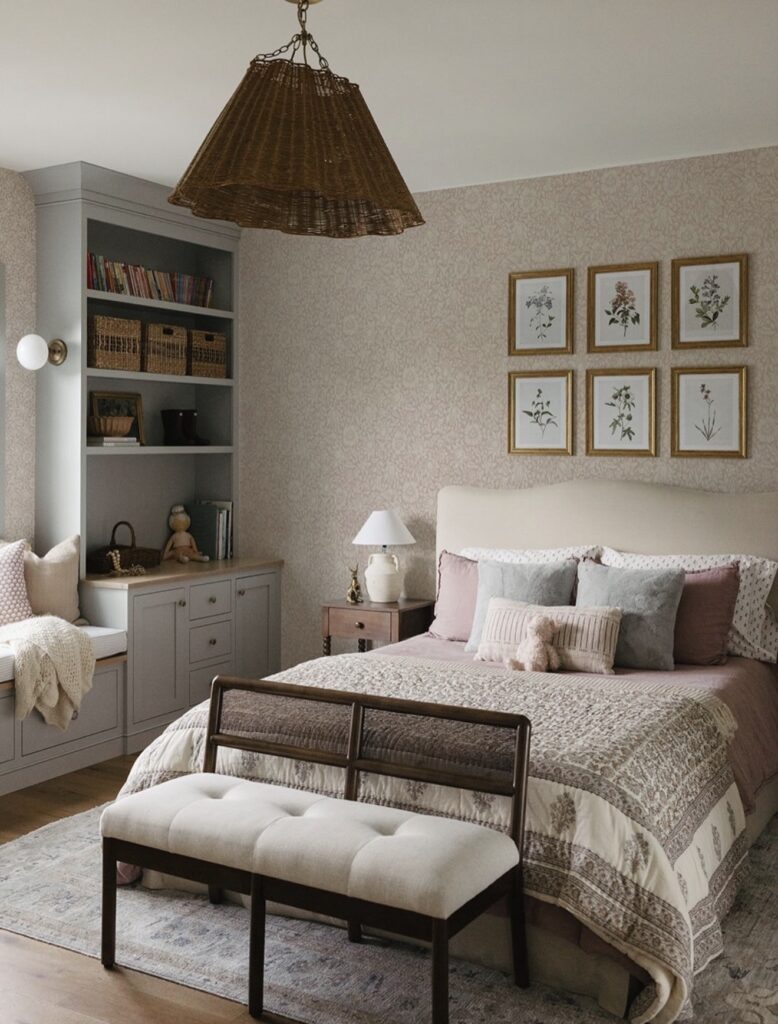
Overhead lighting, a floor lamp, a table lamp, and a smaller accent light. A single overhead fixture is functional but flat. Layered lighting creates the same warmth and depth in a kid’s room that it does anywhere else in the house.
14. Choose a Statement Light Fixture
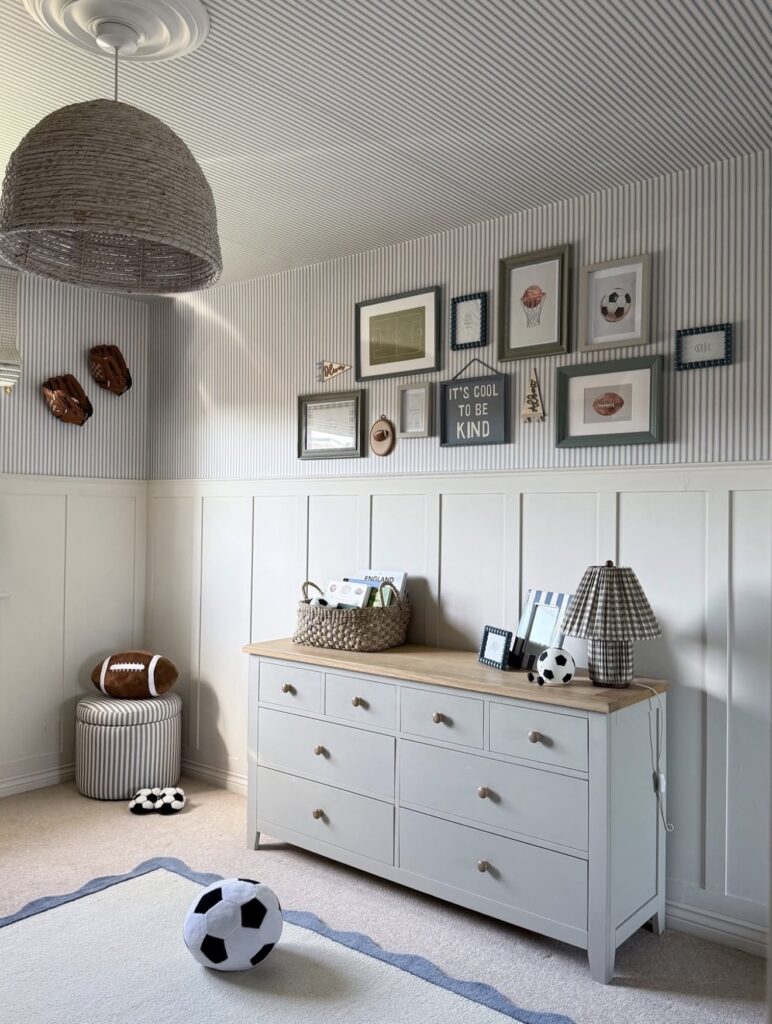
A woven pendant. A sculptural flush mount. Something with actual design character. This one change elevates the whole room.
15. Style Your Open Shelves
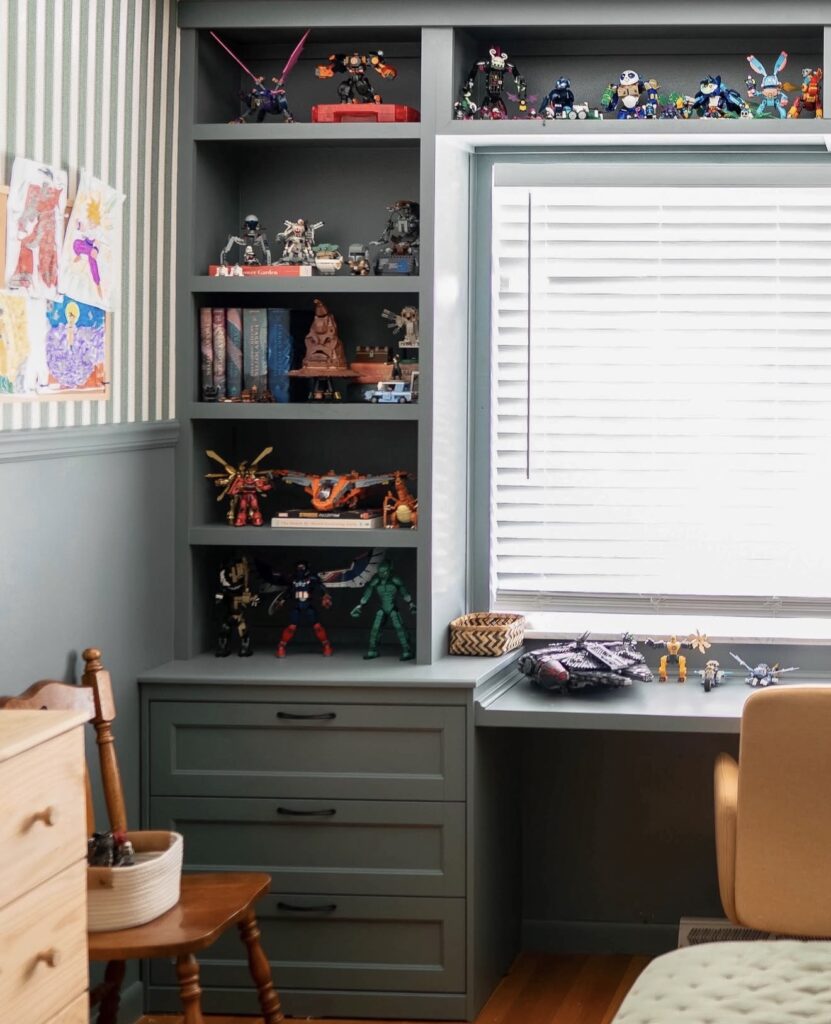
Books faced out, toys on display, baskets for the rest. Open shelving styled with the same principles you’d use in a living room, height variation, negative space, a cohesive palette, makes storage part of the design rather than something to hide.
16. Hide Storage Inside Furniture
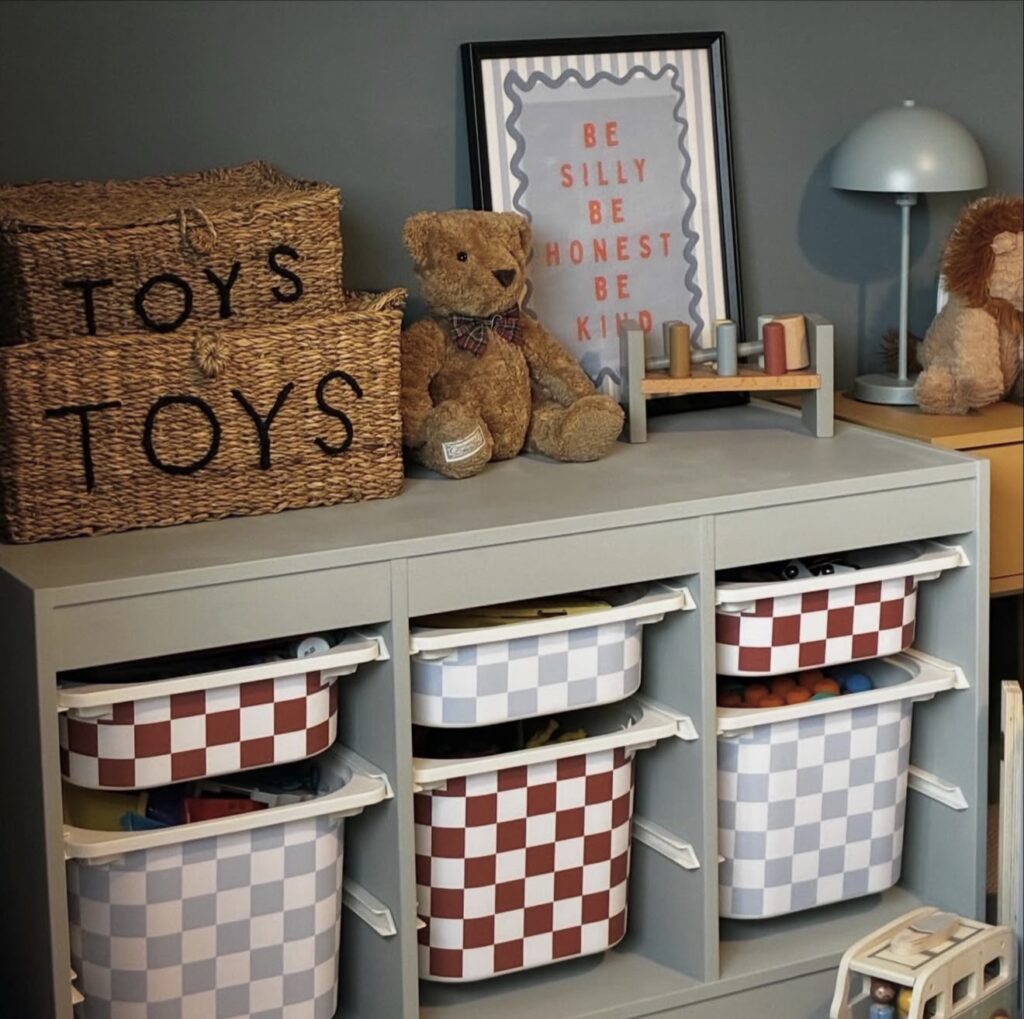
A storage organizer. A bed with drawers built in. A bench with a lift top. Good design hides the mess.
17. One Statement Storage Piece Beats Five Plastic Bins
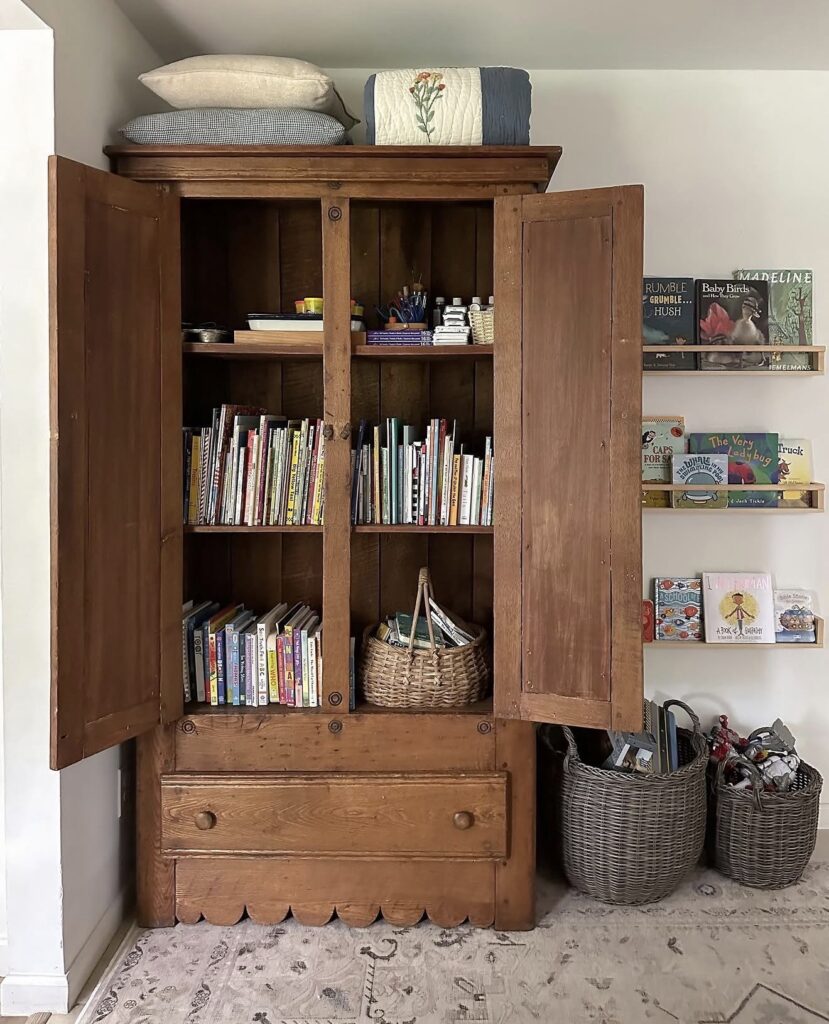
A vintage armoire, a beautifully made bookshelf, a large woven trunk. One well chosen piece does more for a room’s design integrity than five mismatched plastic bins ever will.
18. Hang Real Art
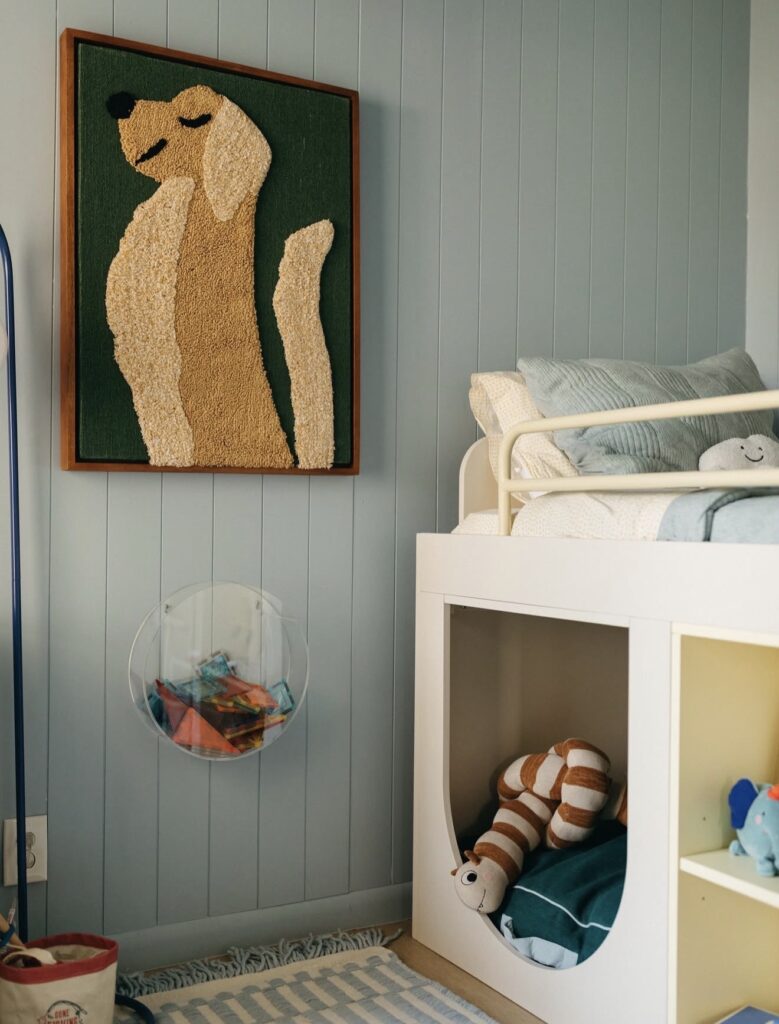
A well chosen print, a piece of original art, something with actual visual interest rather than a licensed poster. Framed well and hung at a thoughtful height, real art elevates a kids room the same way it elevates any other space in the home.
19. Build a Gallery Wall on Purpose
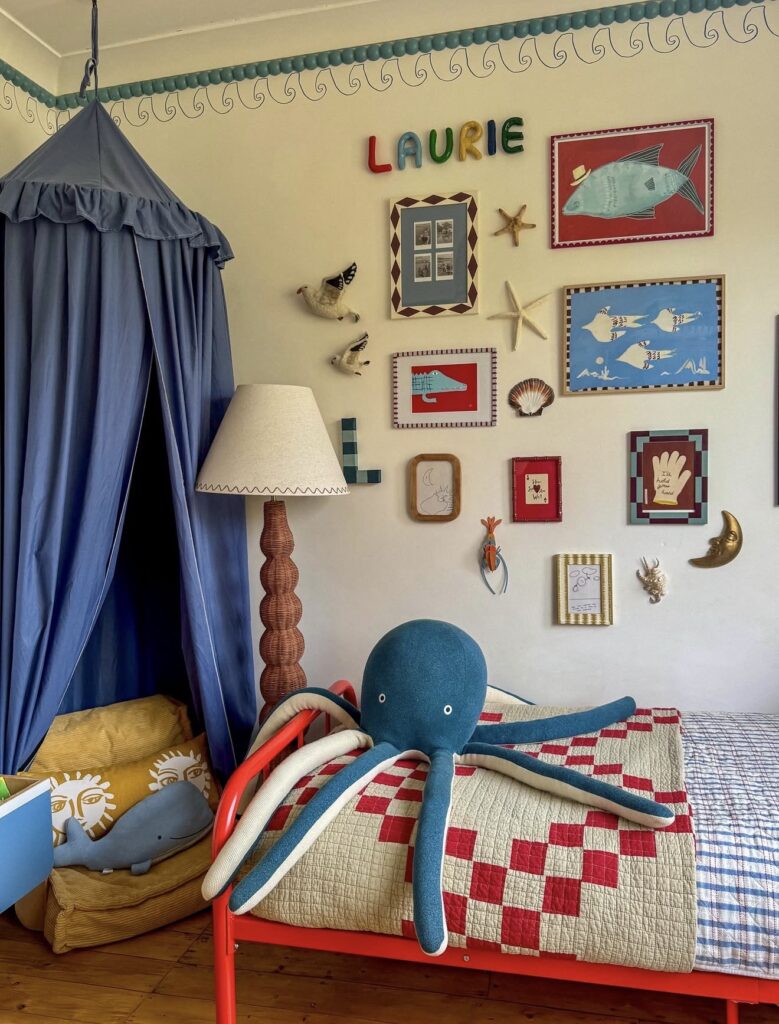
Mixed frame sizes, a cohesive color story, a mix of the child’s own art alongside purchased prints. A gallery wall styled with the same care as one in a hallway or a living room reads as curated, not cluttered.
20. Display What They Collect
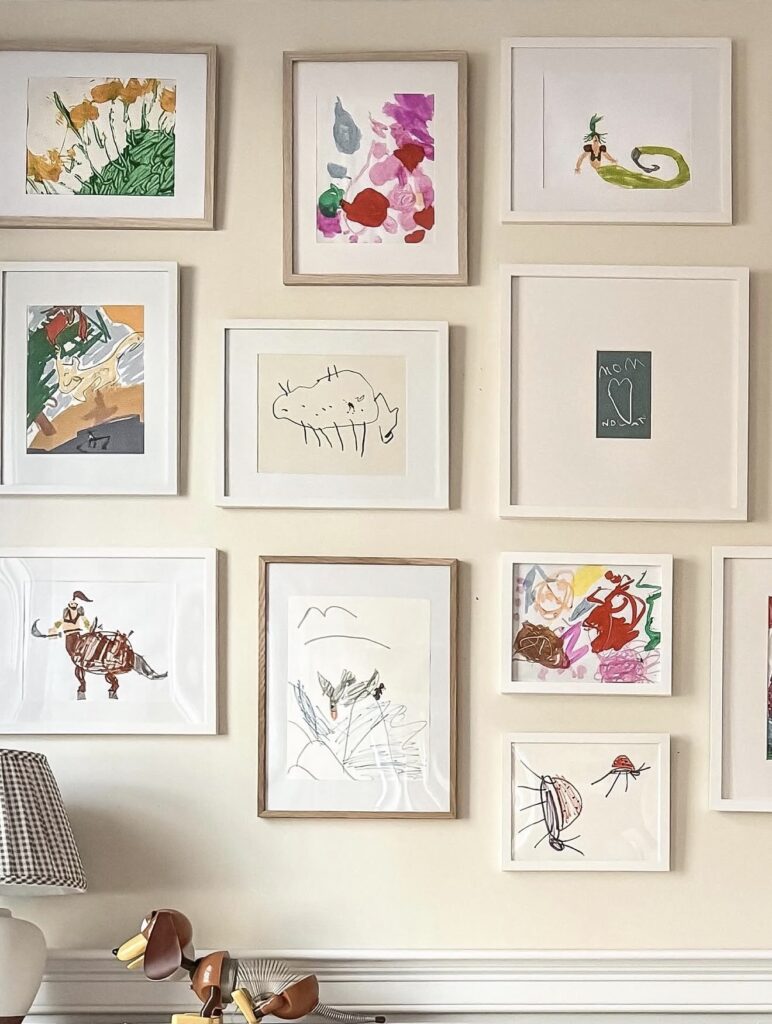
Treating a child’s belongings with the same design consideration you’d give any decorative object teaches an eye for curation and makes the room feel genuinely personal rather than generic.
21. Bring In a Grown-Up Textile
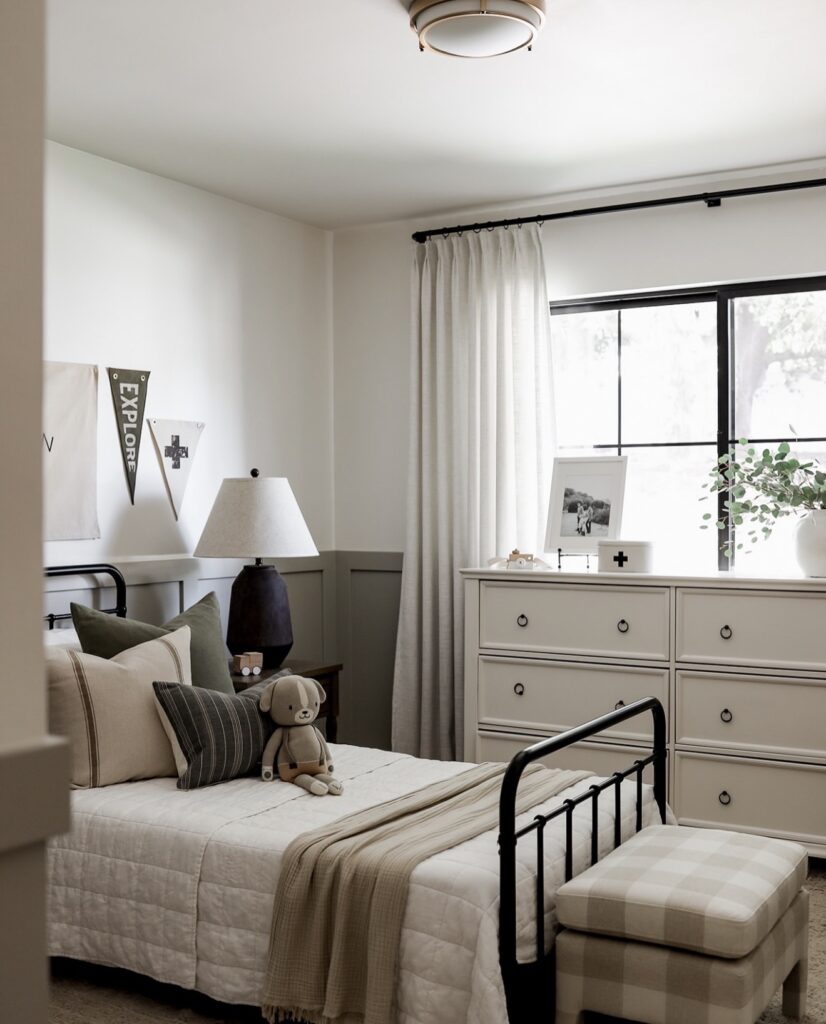
A woven throw, a linen bed skirt, a rug with a sophisticated pattern rather than a cartoon print. These small textile choices are often what separates a room that reads as thoughtfully designed from one that reads as purely functional.
22. Add One Vintage Piece
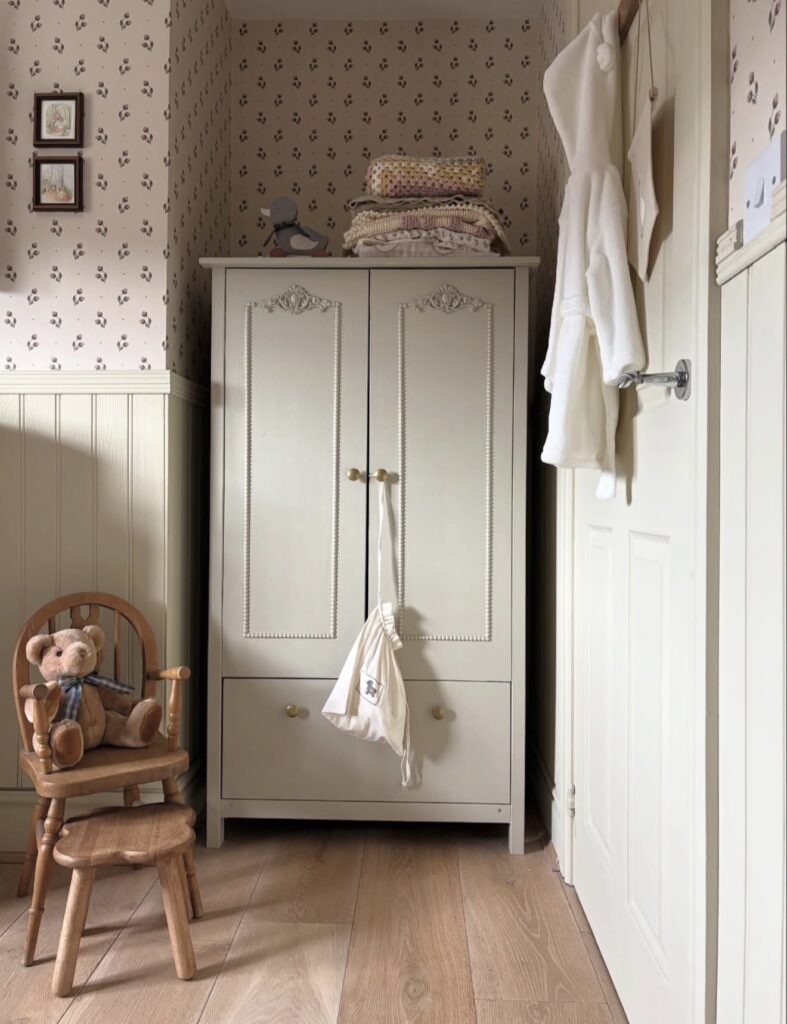
A secondhand dresser, an old wooden stool, a vintage lamp. A single vintage piece adds history and warmth to a kids room in exactly the same way it would in a living room, and it’s often more affordable than new furniture of the same quality.
23. Design for the Long Game
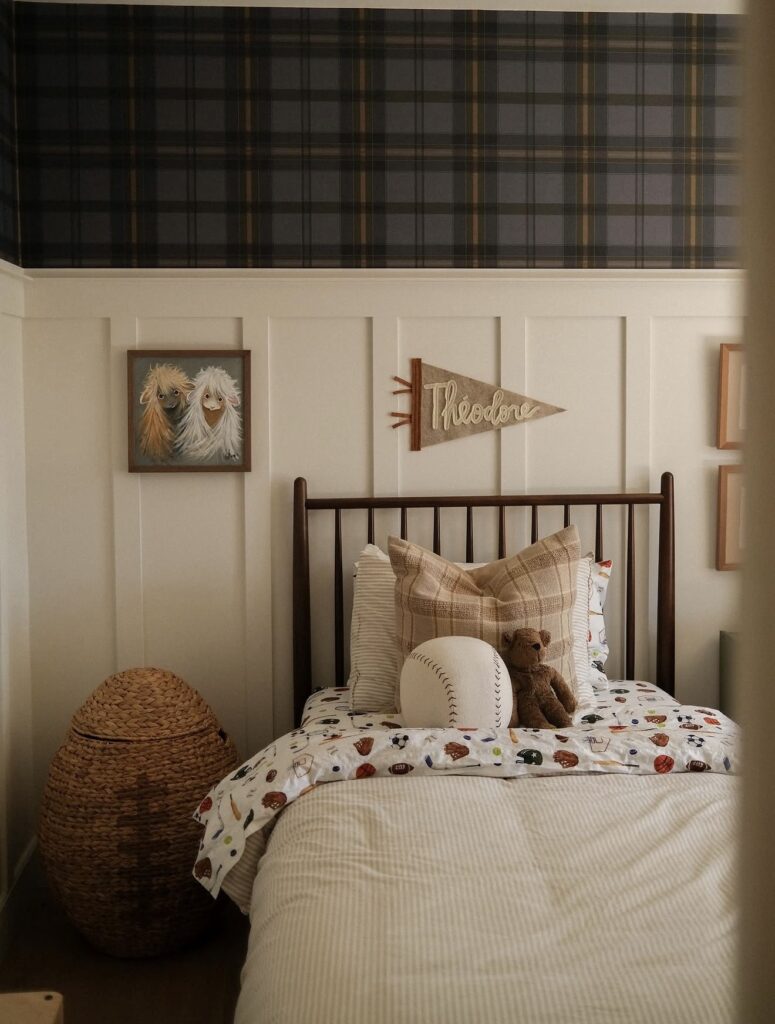
Choose furniture, colors, and layouts that can adapt as your child grows rather than defaulting to whatever trend is popular this year. A well designed foundation means updating the room later requires small changes in accessories, not a full renovation.
The most well designed kids rooms are the ones that feel like an extension of the rest of your home rather than a separate, disconnected space. Good color, real materials, thoughtful layout, and a few genuinely personal touches will always outlast any trend, and they’ll grow with your child far better than anything themed ever could.
Design it like you mean it. Your kid will love it just as much, and you’ll actually enjoy walking past it too.