Discover 14 homework station ideas that are stylish, organized, and kid-approved. create a study space your child will actually use every day.
I think every parent has bought at least one cute desk organizer that ended up holding exactly nothing because the actual homework happened at the kitchen table anyway, surrounded by snack crumbs and yesterday’s mail. I’ve done it. The organizer is very pretty. It is in a drawer somewhere now.
The thing I’ve learned about homework stations is that the picture perfect ones and the ones that actually get used are not always the same thing. A homework station works when it’s stocked with the right supplies, positioned somewhere your kid will actually go, and set up to match how they actually do homework — not how you wish they did homework. Some kids want to be tucked away and quiet. Some kids want to be near you in the kitchen where they can ask a question every four minutes. Both are completely fine. The station just has to match the kid.
These 14 ideas cover every kind of space and every kind of kid. Pick the one that fits your house and your kid.
This post may contain affiliate links, which means I’ll receive a commission if you purchase through my link, at no extra cost to you.
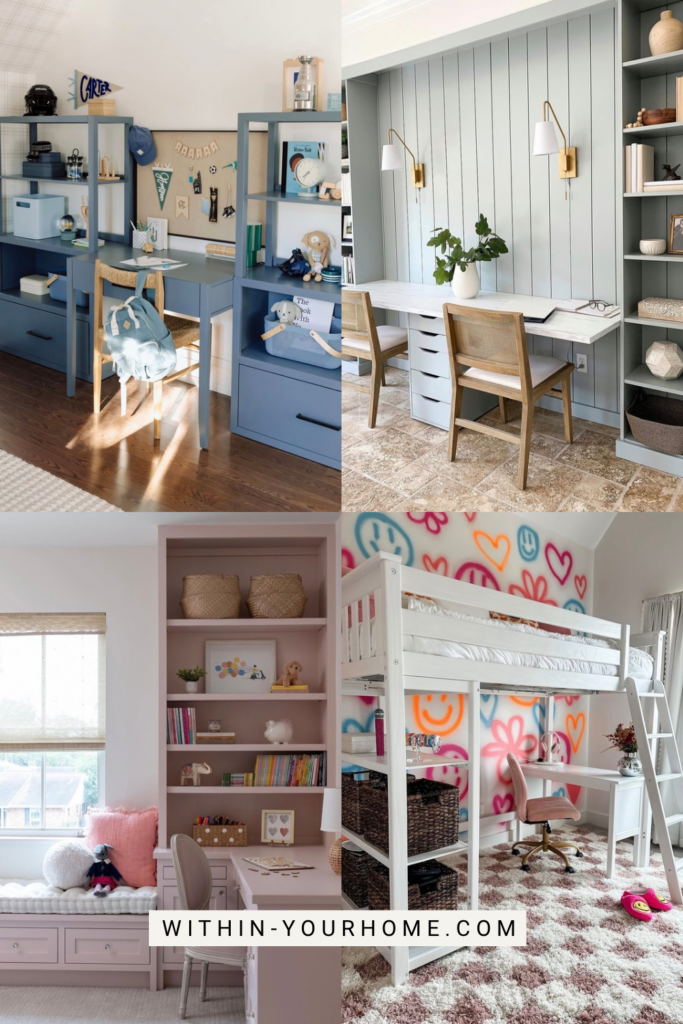
14 Homework Station Organization Ideas
1. A Built-In Desk at the End of the Kitchen Counter
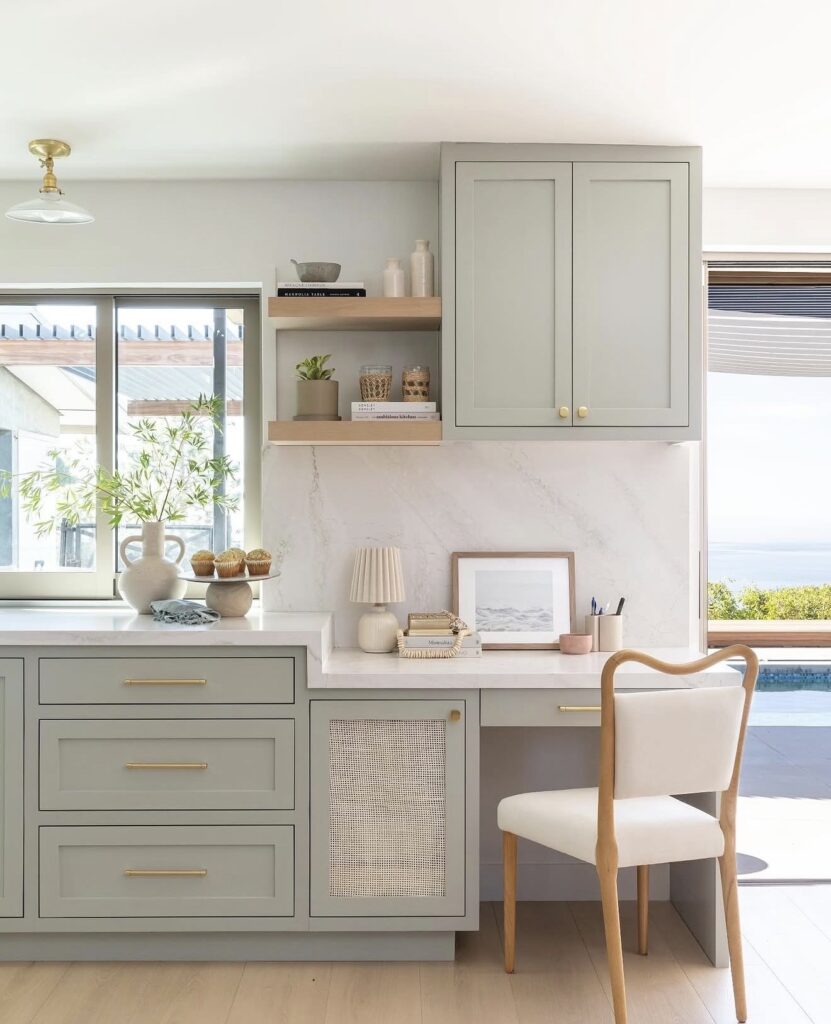
If your kitchen has any extra counter run at the end of the cabinets, a small built-in desk there means homework happens close
enough for you to help while you’re making dinner, without taking over the actual kitchen table. This is genuinely one of the smartest layout decisions a kitchen can have if you have school-age kids.
2. A Rolling Cart Near the Kitchen Table
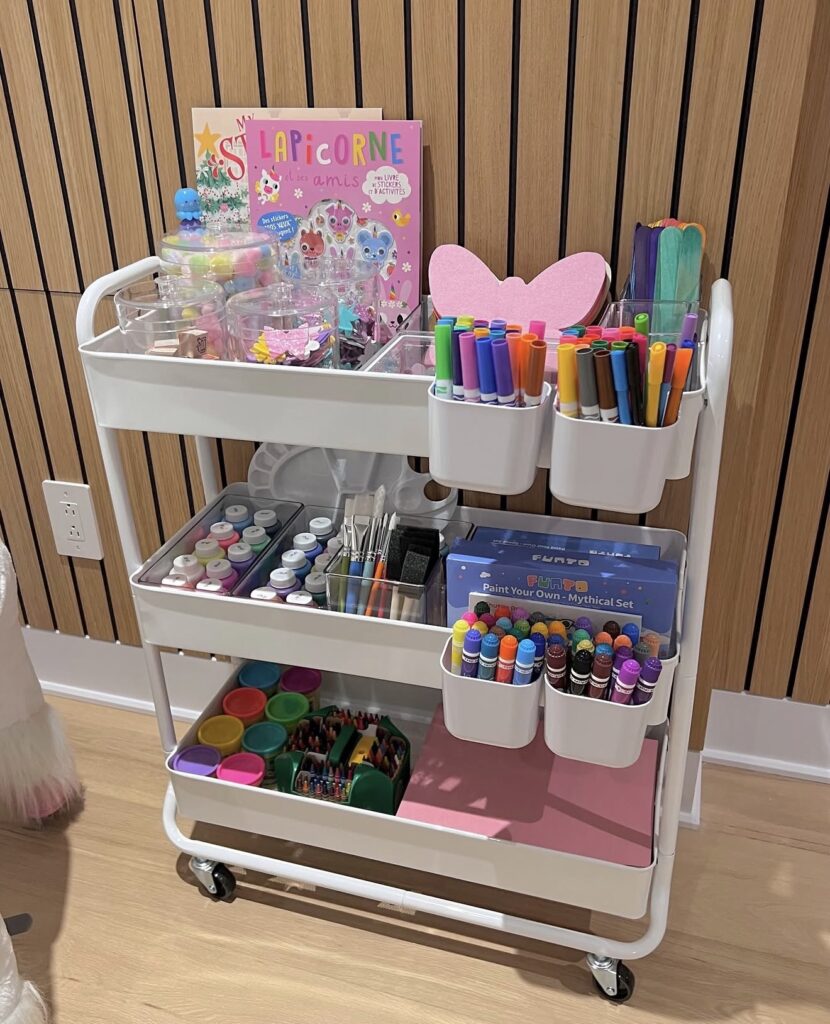
If a permanent desk isn’t realistic, a rolling cart stocked with pencils, paper, scissors, a calculator, and whatever else gets used regularly can be wheeled right up to the kitchen table at homework time and wheeled away when dinner needs the space. All the function, none of the permanent footprint.
3. A Window Desk Facing the Backyard
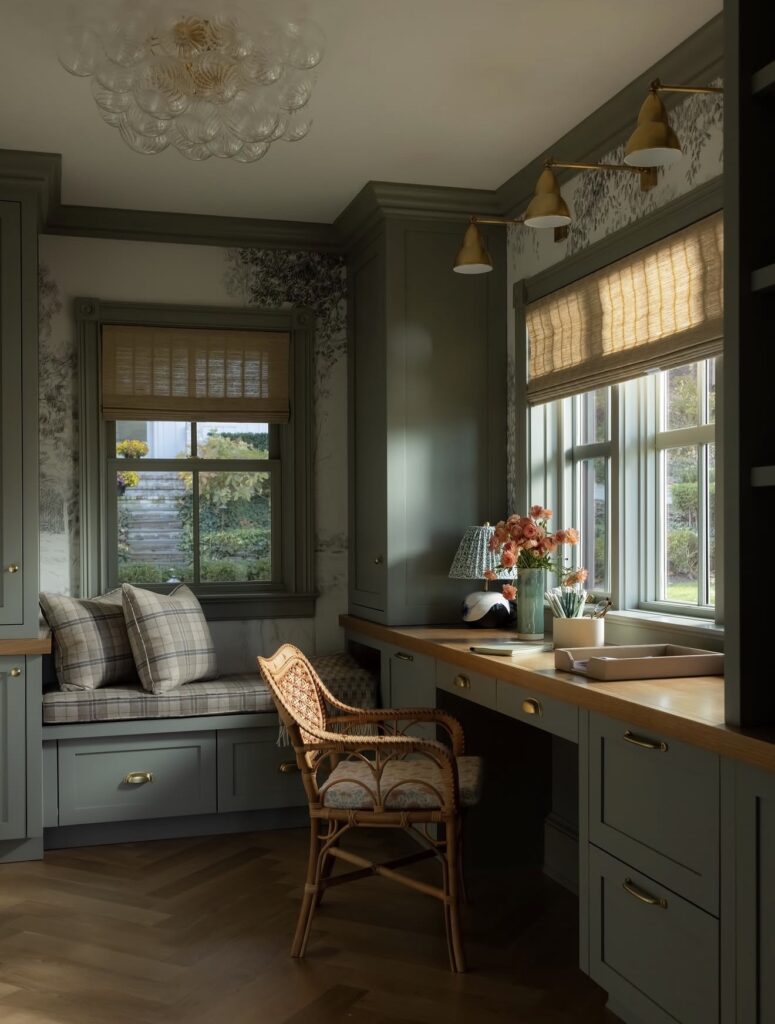
A simple bar-height desk or shelf installed under a kitchen window, with a stool, gives a kid a spot that feels separate from the table but is still in the main hub of the house. Looking out at the yard instead of staring at a wall makes the whole homework experience feel less like a punishment.
4. A Desk Against the Window
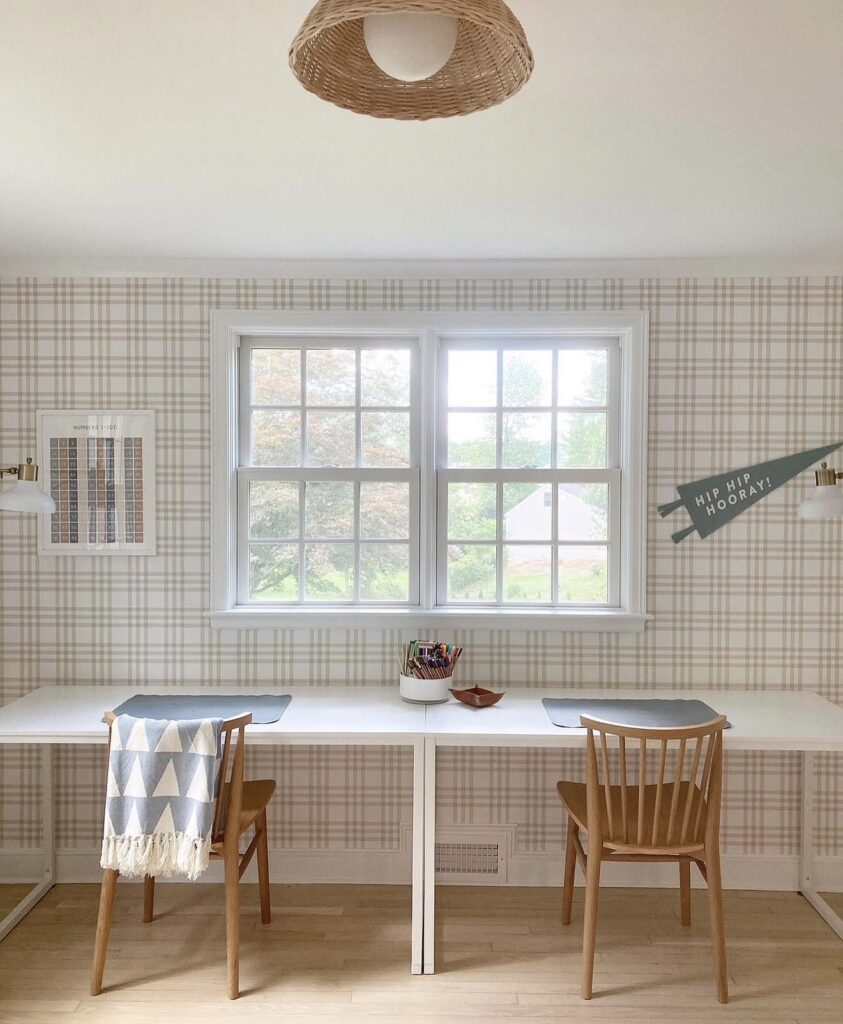
Natural light, a view, and just enough surface for a laptop and a notebook. This is the classic version and it’s classic because it works. Position the desk so the light comes from the side rather than directly behind the screen, and you’ve solved the glare problem before it starts.
5. A Floating Desk for a Small Bedroom
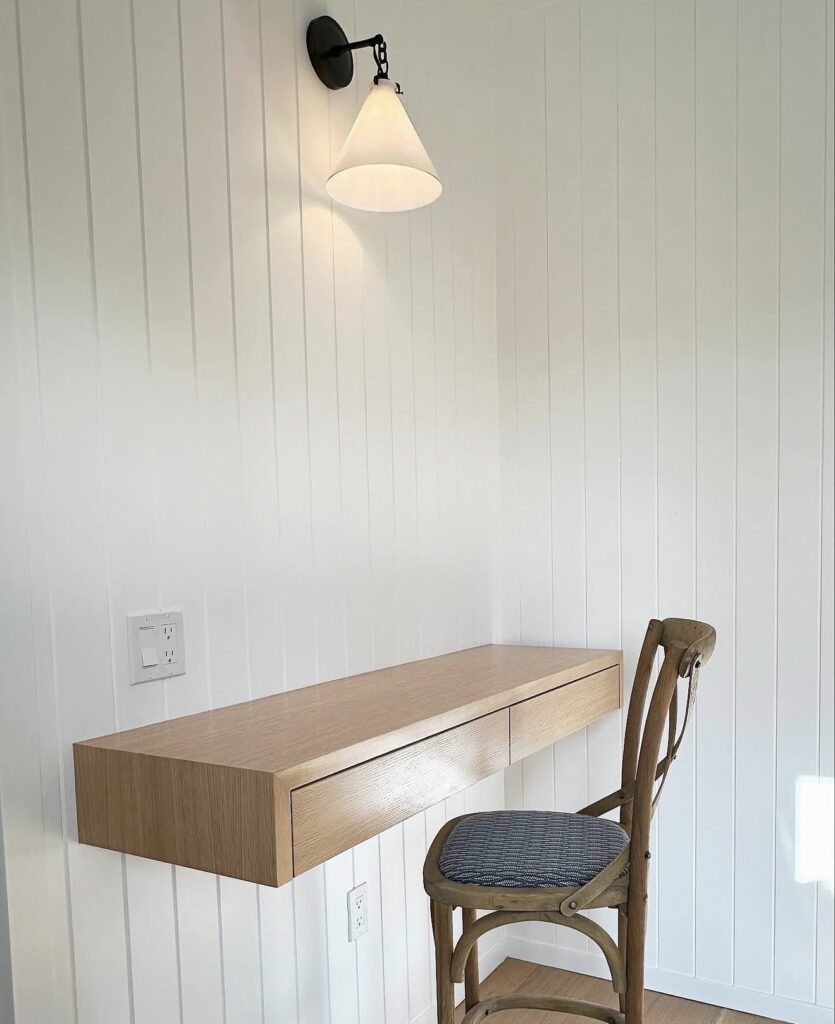
A wall-mounted floating desk takes up zero floor space and works beautifully in a smaller room where a full desk with legs would eat into the area needed for, well, everything else a kid’s room needs to hold.
6. A Desk Tucked Into a Closet
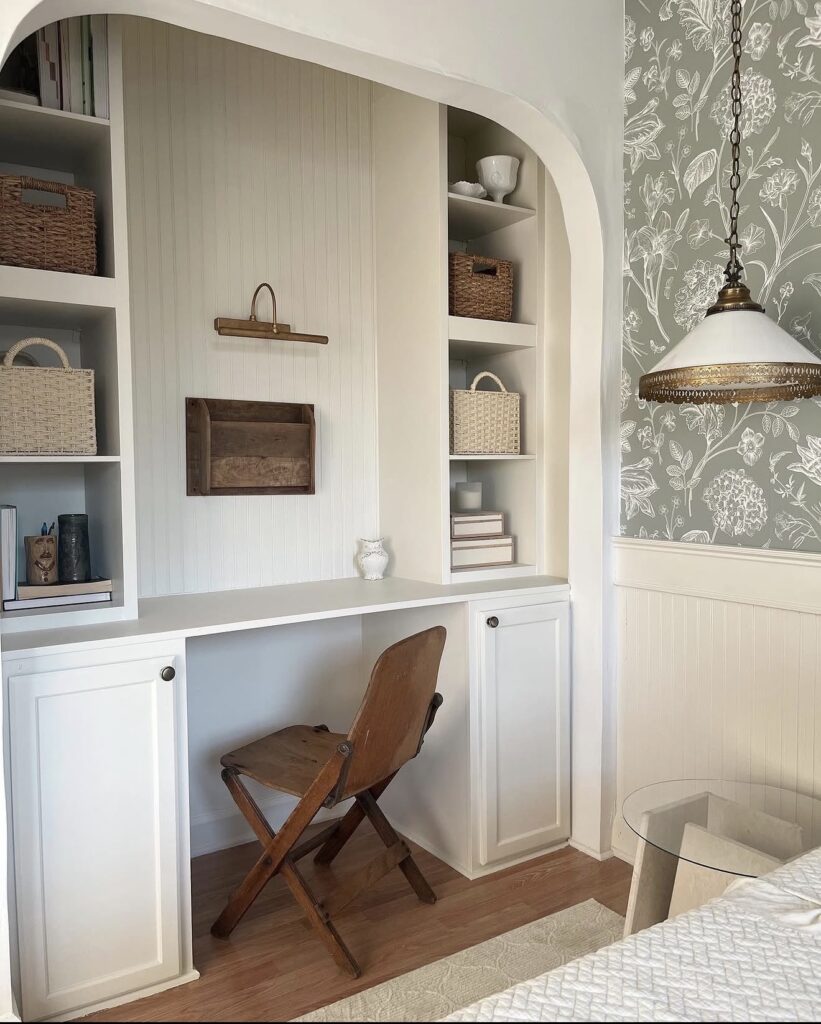
If the closet has the depth for it, removing the doors and turning part of it into a built-in desk nook is one of the smartest small-space solutions there is. It’s enclosed enough to feel like its own little workspace and it doesn’t take a single inch from the rest of the room.
7. A Loft Bed With a Desk Underneath
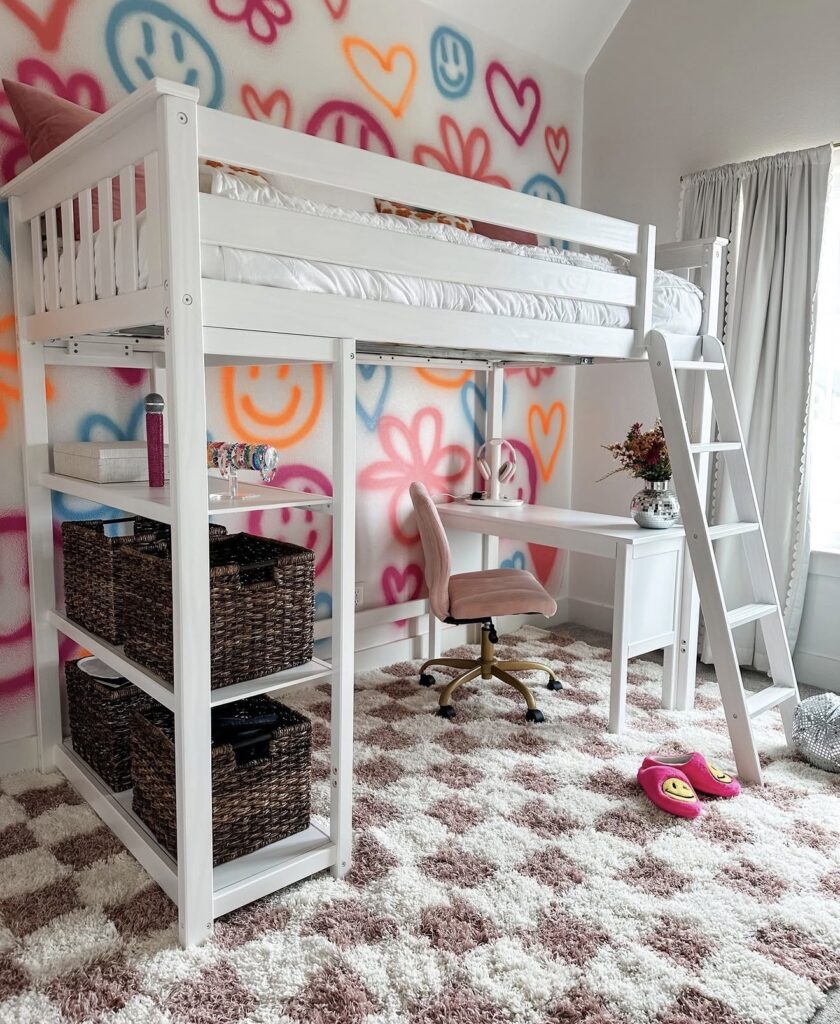
For a room that needs to do double duty, a loft or bunk bed frame with a desk built into the space below turns one piece of furniture into both a bed and a full workstation. Especially useful for shared rooms or smaller bedrooms where every square foot has to earn its place.
8. A Corner Desk
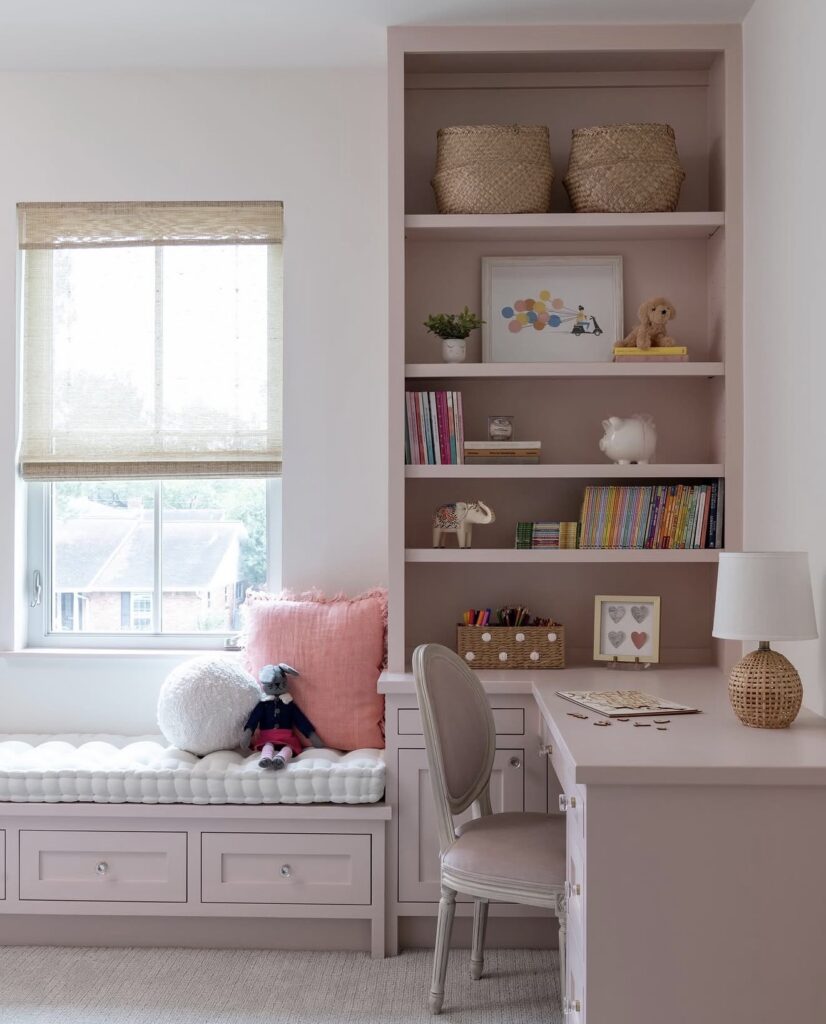
Corners are notoriously hard to furnish and notoriously perfect for an L-shaped or angled desk. It uses space that would otherwise just be empty, and it gives a kid a workspace that feels tucked away and a little bit their own.
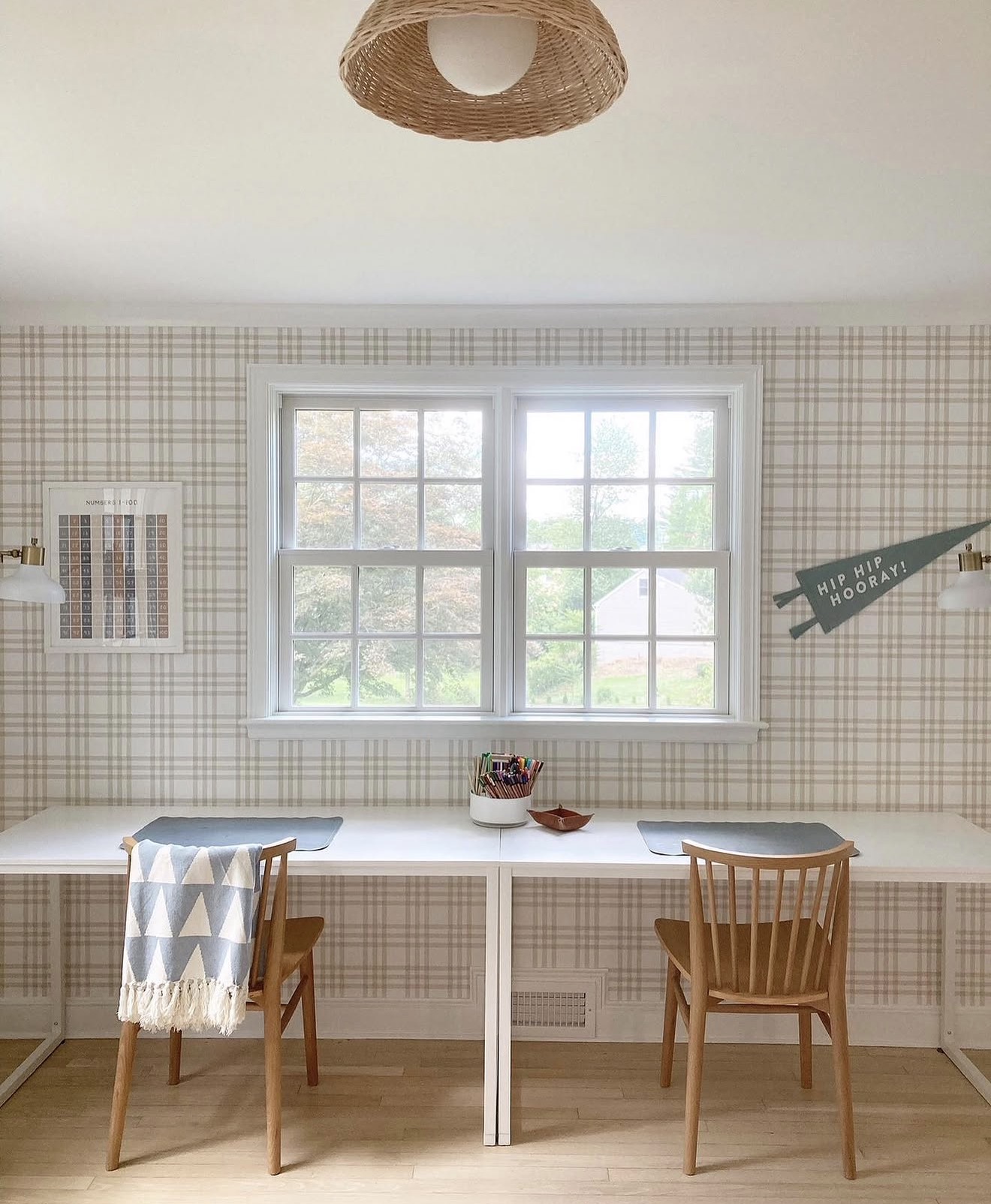
9. A Long Built-In Desk
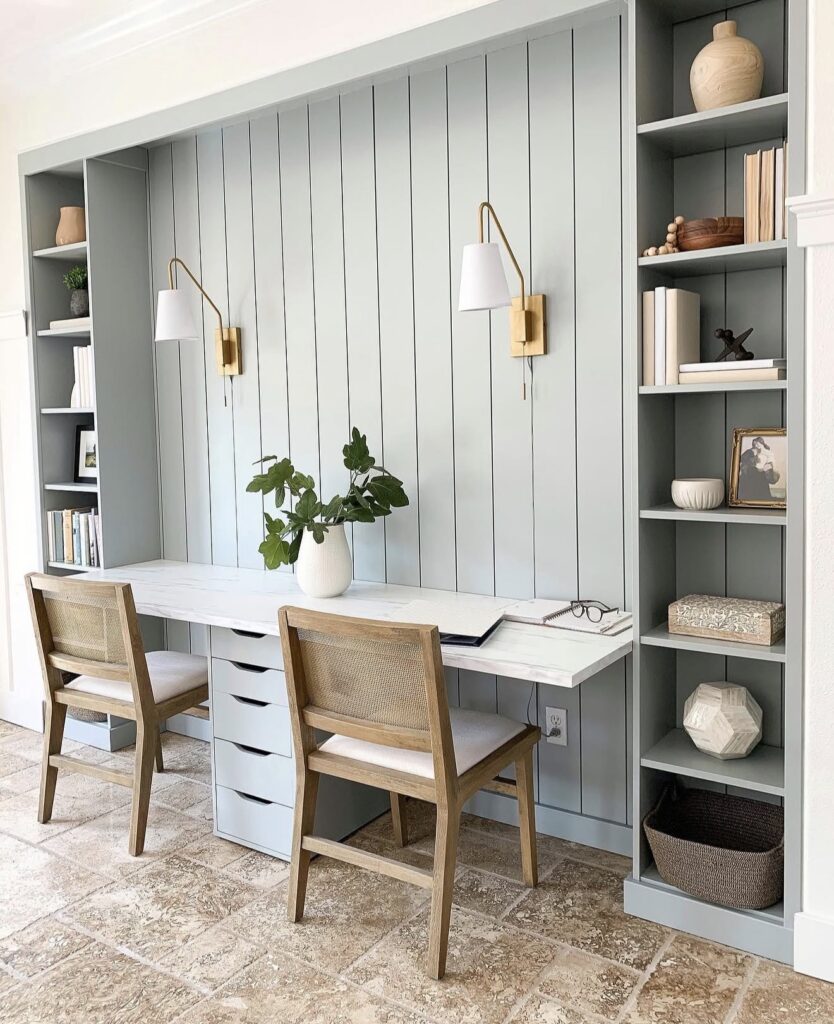
One continuous desk surface running along a wall, divided visually with a small partition, a shelf, or just enough physical distance, gives each kid their own zone without requiring multiple pieces of furniture. Great for siblings close in age who are doing homework at the same time most days.
10. A Caddy With Only the Essentials
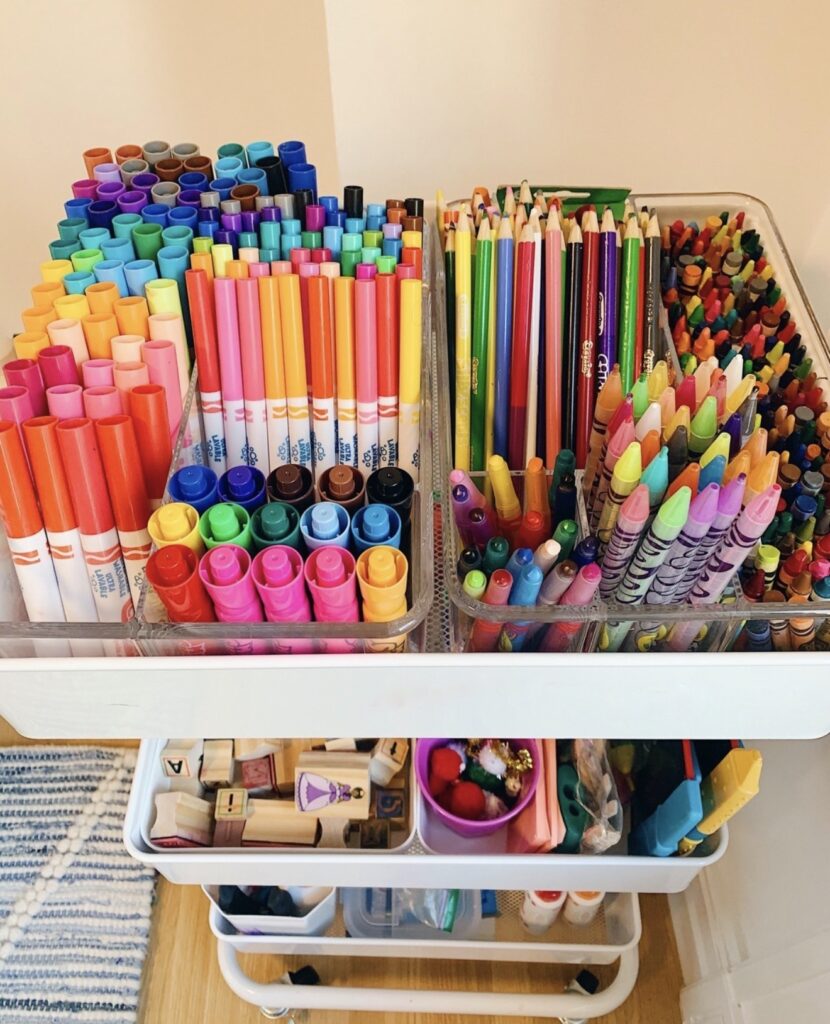
Pencils, an eraser, a sharpener, scissors, glue, a ruler — kept in one caddy that can move to wherever homework is actually happening that day. The goal is removing the “I need to go find scissors” interruption that derails focus faster than almost anything else.
11. A Charging Station Built Into the Setup
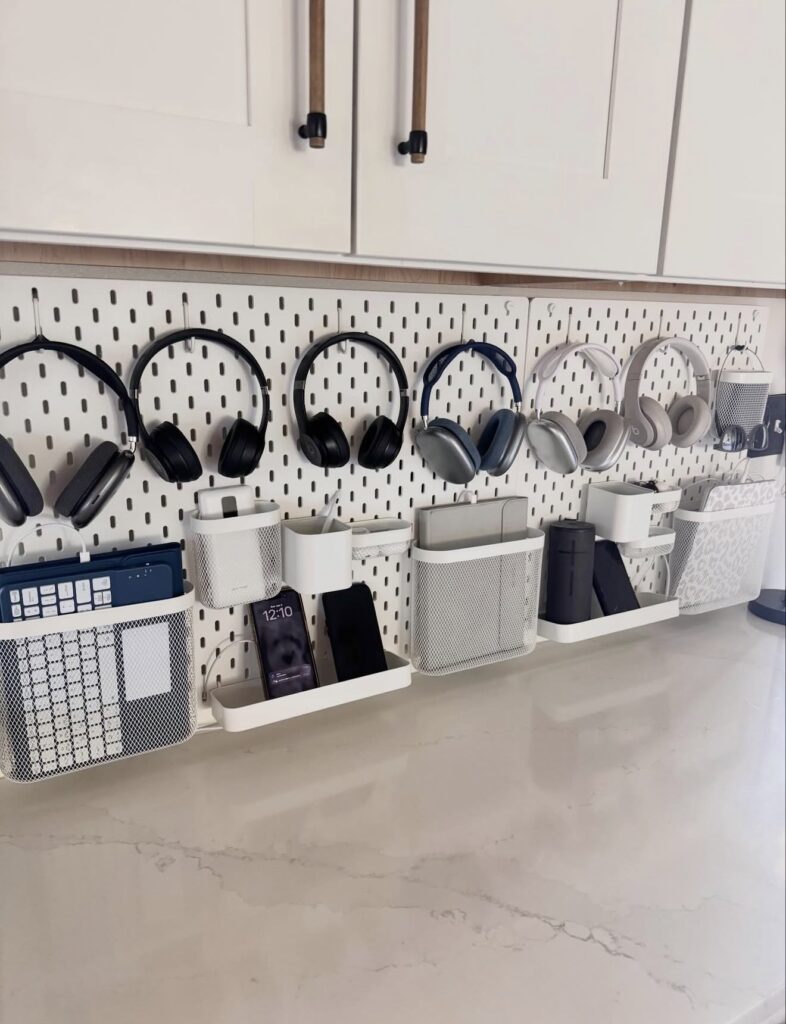
If devices are part of homework, a dedicated charging spot at the station keeps cords contained and keeps the device actually charged and ready instead of dead at 4pm when it’s needed most.
12. A Bulletin Board Above the Desk
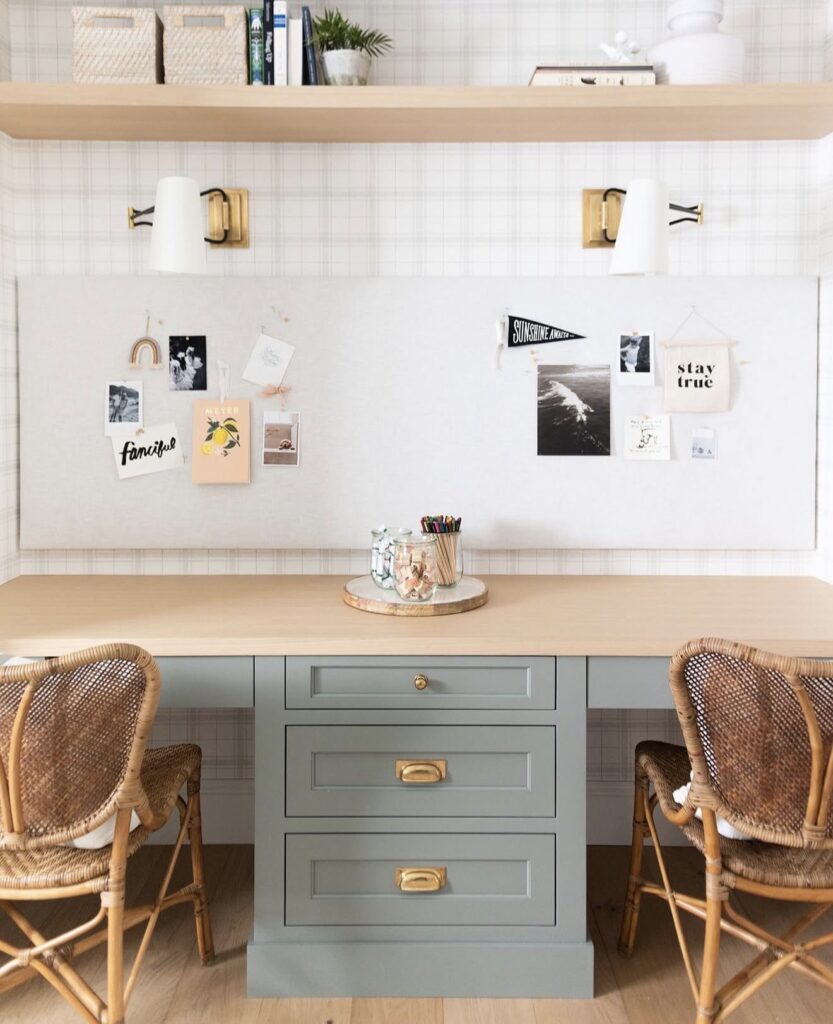
For pinning up the week’s spelling list, an assignment calendar, or a reminder about an upcoming project, a small bulletin board keeps important paper visible instead of buried in a folder nobody opens until the night before it’s due.
13. A Chair That’s Actually the Right Size
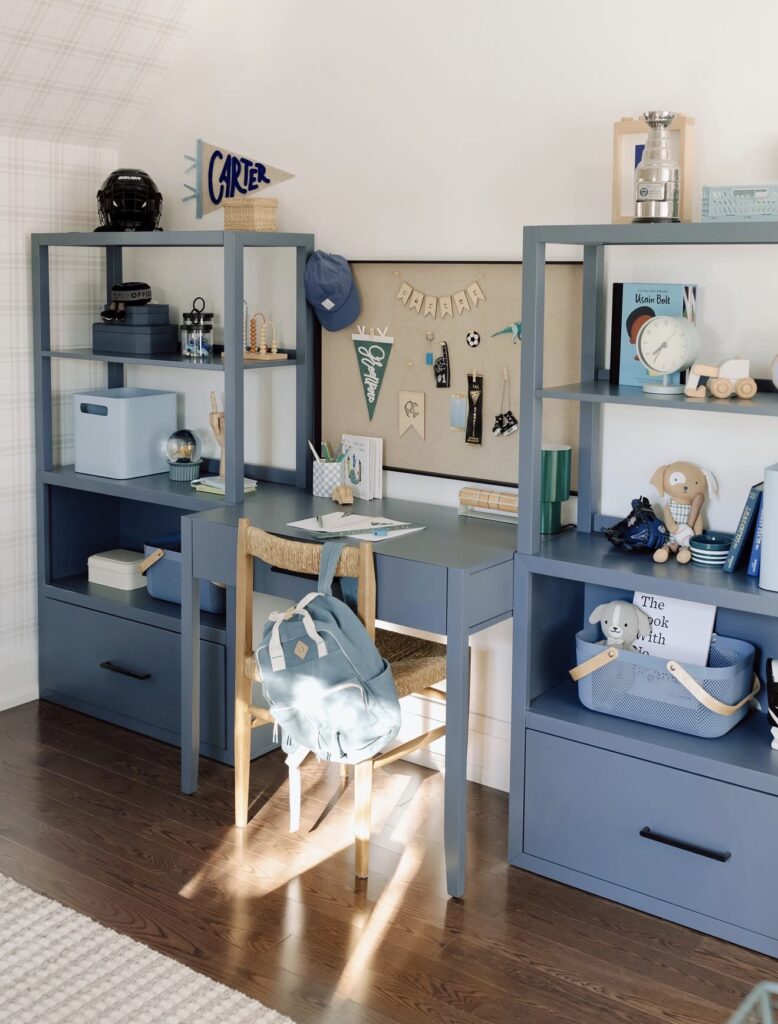
An adult chair at a kid-height desk, or a kid chair that’s already too small, makes sitting still for homework physically uncomfortable, which means more squirming, more breaks, and less focus. Size the chair to the kid, and reassess it every year or two as they grow.
14. Good, Direct Task Lighting
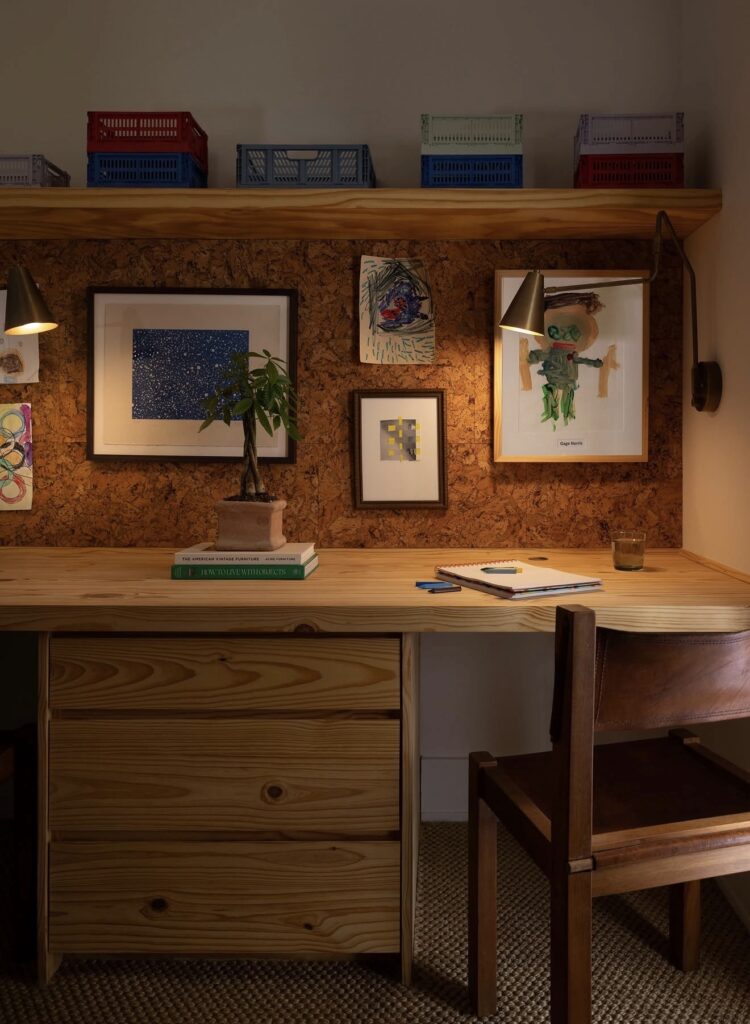
A desk lamp positioned to actually light the work surface, not just the room in general. Overhead light alone creates shadows and eye strain over a longer homework session. This is an easy and inexpensive fix that makes a real difference in how long a kid can comfortably focus.
The best homework station isn’t the one that looks the most put together in a photo. It’s the one that gets used without a fight most days, that has the supplies that actually get reached for, and that fits where your specific kid does their best thinking.
Build the one that matches your house and your kid, you’ll thank yourself later.